


- Afhalen na 1 uur in een winkel met voorraad
- Gratis thuislevering in België vanaf € 30
- Ruim aanbod met 7 miljoen producten
- Afhalen na 1 uur in een winkel met voorraad
- Gratis thuislevering in België vanaf € 30
- Ruim aanbod met 7 miljoen producten





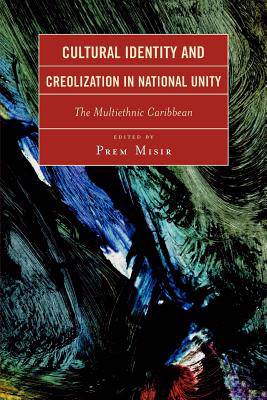
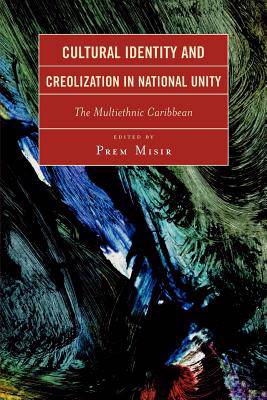
Cultural Identity and Creolization in National Unity
The Multiethnic Caribbean
Prem Misir
Paperback | Engels
€ 93,45
+ 186 punten
Omschrijving
In the grand design of slavery in the Caribbean, White planters separated African slaves of similar tribal and linguistic groups in an effort to destroy African cultural traditions. The result was an African population that lost most of its African heritage and adopted a creolized variant of European culture. The dominance of Creolization, a colonial legacy, ignores the Caribbean multiethnic mosaic and endangers national unity, good governance, and political stability. Through a series of readings, this book argues that the Creolization is antithetical and challenging to nation building and results in cultural and working-class fragmentation, competition for national space, ranking, ethno-cultural categorization, racialization of consciousness, cultural imperialism, use of the 'political' race card, and ethnic dominance. This book acknowledges the need to create a framework for mutual cultural appreciation and institutionalization of all cultures in the pursuit of national unity in the Caribbean.
Specificaties
Betrokkenen
- Auteur(s):
- Uitgeverij:
Inhoud
- Aantal bladzijden:
- 236
- Taal:
- Engels
Eigenschappen
- Productcode (EAN):
- 9780761834472
- Verschijningsdatum:
- 30/08/2006
- Uitvoering:
- Paperback
- Formaat:
- Trade paperback (VS)
- Afmetingen:
- 155 mm x 230 mm
- Gewicht:
- 403 g


Alleen bij Standaard Boekhandel
+ 186 punten op je klantenkaart van Standaard Boekhandel
Cadeau

AANGERADEN


Beoordelingen
We publiceren alleen reviews die voldoen aan de voorwaarden voor reviews. Bekijk onze voorwaarden voor reviews.