


- Afhalen na 1 uur in een winkel met voorraad
- Gratis thuislevering in België vanaf € 30
- Ruim aanbod met 7 miljoen producten
- Afhalen na 1 uur in een winkel met voorraad
- Gratis thuislevering in België vanaf € 30
- Ruim aanbod met 7 miljoen producten





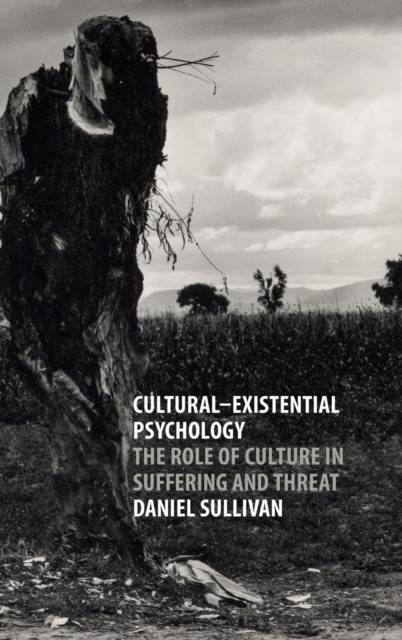
Cultural-Existential Psychology
The Role of Culture in Suffering and Threat
Daniel Sullivan
Hardcover | Engels
€ 197,45
+ 394 punten
Uitvoering
Omschrijving
Cultural psychology and experimental existential psychology are two of the fastest-growing movements in social psychology. In this book, Daniel Sullivan combines both perspectives to present a groundbreaking analysis of culture's role in shaping the psychology of threat experience. The first part of the book presents a new theoretical framework guided by three central principles: that humans are in a unique existential situation because we possess symbolic consciousness and culture; that culture provides psychological protection against threatening experiences, but also helps to create them; and that interdisciplinary methods are vital to understanding the link between culture and threat. In the second part of the book, Sullivan presents a novel program of research guided by these principles. Focusing on a case study of a traditionalist group of Mennonites in the midwestern United States, Sullivan examines the relationship between religion, community, guilt, anxiety, and the experience of natural disaster.
Specificaties
Betrokkenen
- Auteur(s):
- Uitgeverij:
Inhoud
- Aantal bladzijden:
- 314
- Taal:
- Engels
Eigenschappen
- Productcode (EAN):
- 9781107096868
- Verschijningsdatum:
- 6/04/2016
- Uitvoering:
- Hardcover
- Formaat:
- Genaaid
- Afmetingen:
- 152 mm x 229 mm
- Gewicht:
- 589 g


Alleen bij Standaard Boekhandel
+ 394 punten op je klantenkaart van Standaard Boekhandel
Cadeau

AANGERADEN


Beoordelingen
We publiceren alleen reviews die voldoen aan de voorwaarden voor reviews. Bekijk onze voorwaarden voor reviews.