


- Afhalen na 1 uur in een winkel met voorraad
- Gratis thuislevering in België vanaf € 30
- Ruim aanbod met 7 miljoen producten
- Afhalen na 1 uur in een winkel met voorraad
- Gratis thuislevering in België vanaf € 30
- Ruim aanbod met 7 miljoen producten





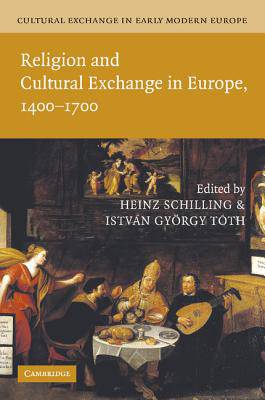
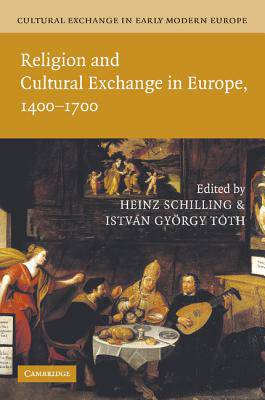
Cultural Exchange in Early Modern Europe
€ 90,95
+ 181 punten
Omschrijving
Religious beliefs, their practice and expression, were fundamental to the cultural fabric of early modern Europe. They were representations of belonging, identity, power and social meaning. In the era of Europe's reformations and subsequent confessionalizations coinciding with its first colonial empires and its conflictual relations with other faiths on its eastern borderlands, this volume, first published in 2007, examines the role of religion as a vehicle for cultural conflict, cohabitation and cultural exchange. Essays by leading historians show the complexity and diversity of the processes of religious differentiation that contributed to the making of modern Europe, with case studies ranging from Transylvania and Lithuania to Spain and Portugal and from Italy to England. The volume will appeal to scholars in early modern European history, history of religion, as well as social and cultural history.
Specificaties
Betrokkenen
- Uitgeverij:
Inhoud
- Aantal bladzijden:
- 438
- Taal:
- Engels
- Reeks:
Eigenschappen
- Productcode (EAN):
- 9781107412811
- Verschijningsdatum:
- 17/01/2013
- Uitvoering:
- Paperback
- Formaat:
- Trade paperback (VS)
- Afmetingen:
- 152 mm x 226 mm
- Gewicht:
- 589 g

Alleen bij Standaard Boekhandel
+ 181 punten op je klantenkaart van Standaard Boekhandel
AANGERADEN


Beoordelingen
We publiceren alleen reviews die voldoen aan de voorwaarden voor reviews. Bekijk onze voorwaarden voor reviews.