


- Afhalen na 1 uur in een winkel met voorraad
- Gratis thuislevering in België vanaf € 30
- Ruim aanbod met 7 miljoen producten
- Afhalen na 1 uur in een winkel met voorraad
- Gratis thuislevering in België vanaf € 30
- Ruim aanbod met 7 miljoen producten





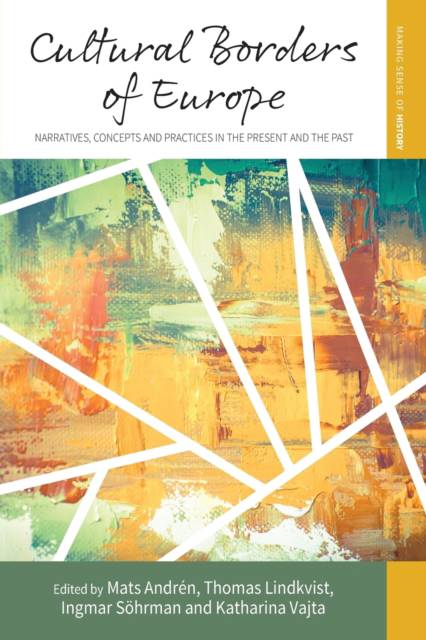
Cultural Borders of Europe
Narratives, Concepts and Practices in the Present and the Past
€ 56,45
+ 112 punten
Omschrijving
The cultural borders of Europe are today more visible than ever, and with them comes a sense of uncertainty with respect to liberal democratic traditions: whether treated as abstractions or concrete realities, cultural divisions challenge concepts of legitimacy and political representation as well as the legal bases for citizenship. Thus, an understanding of such borders and their consequences is of utmost importance for promoting the evolution of democracy. Cultural Borders of Europe provides a wide-ranging exploration of these lines of demarcation in a variety of regions and historical eras, providing essential insights into the state of European intercultural relations today.
Specificaties
Betrokkenen
- Uitgeverij:
Inhoud
- Aantal bladzijden:
- 218
- Taal:
- Engels
- Reeks:
- Reeksnummer:
- nr. 30
Eigenschappen
- Productcode (EAN):
- 9781789200683
- Verschijningsdatum:
- 17/12/2018
- Uitvoering:
- Paperback
- Formaat:
- Trade paperback (VS)
- Afmetingen:
- 152 mm x 229 mm
- Gewicht:
- 299 g


Alleen bij Standaard Boekhandel
+ 112 punten op je klantenkaart van Standaard Boekhandel
Cadeau

AANGERADEN


Beoordelingen
We publiceren alleen reviews die voldoen aan de voorwaarden voor reviews. Bekijk onze voorwaarden voor reviews.