


- Afhalen na 1 uur in een winkel met voorraad
- Gratis thuislevering in België vanaf € 30
- Ruim aanbod met 7 miljoen producten
- Afhalen na 1 uur in een winkel met voorraad
- Gratis thuislevering in België vanaf € 30
- Ruim aanbod met 7 miljoen producten





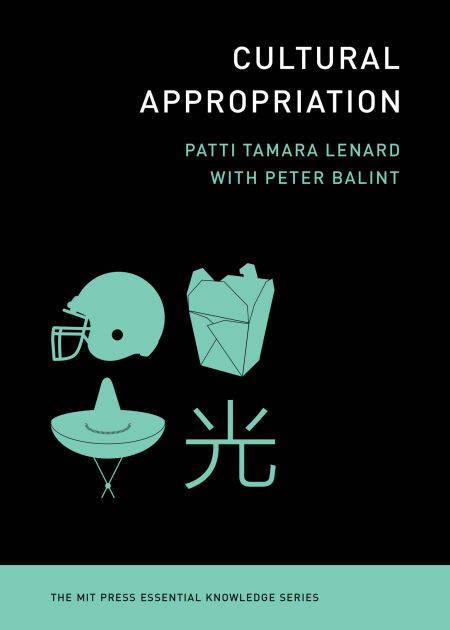
Omschrijving
What cultural appropriation is, how it is deployed in public discourse, and if and when it is harmful.
What exactly is cultural appropriation? At one extreme are those commentators who suggest that any borrowing of elements outside of one’s own culture is cultural appropriation, and therefore, always wrong; at the other extreme, are those who argue that the history of human civilization just is cultural exchange, and therefore, never wrong. This book offers a clear and straightforward account of what cultural appropriation is, how it is deployed in public discourse, and if and when it is wrong.
Patti Tamara Lenard and Peter Balint define cultural appropriation as the non-consensual, knowing (or culpably ignorant) taking of something of cultural value, usually a symbol or a practice, to others. Alleged acts of cultural appropriation generate substantial contestation in public discourse. But the fact of contestation, over whether an act is in fact cultural appropriation, is not sufficient to mean that someone has done something wrong and thereby merits criticism. The authors show that there are particular conditions—including power imbalances and potential profit at the expense of the cultural group—under which cultural appropriation is inarguably wrong, and therefore, worthy of criticism.
What exactly is cultural appropriation? At one extreme are those commentators who suggest that any borrowing of elements outside of one’s own culture is cultural appropriation, and therefore, always wrong; at the other extreme, are those who argue that the history of human civilization just is cultural exchange, and therefore, never wrong. This book offers a clear and straightforward account of what cultural appropriation is, how it is deployed in public discourse, and if and when it is wrong.
Patti Tamara Lenard and Peter Balint define cultural appropriation as the non-consensual, knowing (or culpably ignorant) taking of something of cultural value, usually a symbol or a practice, to others. Alleged acts of cultural appropriation generate substantial contestation in public discourse. But the fact of contestation, over whether an act is in fact cultural appropriation, is not sufficient to mean that someone has done something wrong and thereby merits criticism. The authors show that there are particular conditions—including power imbalances and potential profit at the expense of the cultural group—under which cultural appropriation is inarguably wrong, and therefore, worthy of criticism.
Specificaties
Betrokkenen
- Auteur(s):
- Uitgeverij:
Inhoud
- Aantal bladzijden:
- 240
- Taal:
- Engels
- Reeks:
Eigenschappen
- Productcode (EAN):
- 9780262052788
- Verschijningsdatum:
- 30/03/2026
- Uitvoering:
- E-book
- Beveiligd met:
- Adobe DRM
- Formaat:
- ePub


Alleen bij Standaard Boekhandel
+ 19 punten op je klantenkaart van Standaard Boekhandel
Cadeau

AANGERADEN


Beoordelingen
We publiceren alleen reviews die voldoen aan de voorwaarden voor reviews. Bekijk onze voorwaarden voor reviews.