


- Afhalen na 1 uur in een winkel met voorraad
- Gratis thuislevering in België vanaf € 30
- Ruim aanbod met 7 miljoen producten
- Afhalen na 1 uur in een winkel met voorraad
- Gratis thuislevering in België vanaf € 30
- Ruim aanbod met 7 miljoen producten




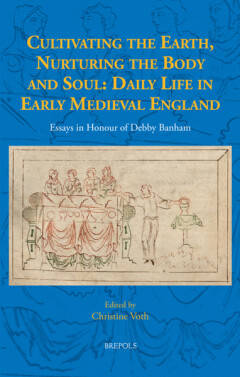
Cultivating the Earth, Nurturing the Body and Soul
Daily Life in Early Medieval England: Essays in Honour of Debby Banham
€ 127,20
+ 254 punten
Omschrijving
How did food impact social relationships in early medieval England? What cultivation practices were followed, to produce the best possible food supplies? What was the cultural significance of bread? How was the human body nourished? When sickness inevitably occurred, where did one go, and who was consulted for healing? And how was spiritual health also protected? The essays gathered together in this exciting volume draw on a range of different disciplines, from early medieval economic and social history, to experimental archaeology and medieval medicine, to offer a unique overview into day-to-day life in England nearly two millennia ago. Taking as their starting point the broad research interests of the volume's honorand, Dr Debby Banham, contributors here offer new insights into the reproduction and ritual use of vernacular charms, examine the collation and translation of medieval medicine, elucidate monastic economies and production, and uncover the circumstances behind the production and transmission of medical manuscripts in early medieval England. Presenting new insights into agricultural practices and animal husbandry, monastic sign language and materia medica, plant knowledge and medical practices, the chapters within this volume not only offer a fitting tribute to Banham's own groundbreaking work, but also shed new light on what it meant to nurture both body and soul in early medieval England.
Specificaties
Betrokkenen
- Uitgeverij:
Inhoud
- Aantal bladzijden:
- 336
- Taal:
- Engels
- Reeks:
- Reeksnummer:
- nr. 12
Eigenschappen
- Productcode (EAN):
- 9782503611938
- Verschijningsdatum:
- 10/04/2025
- Uitvoering:
- Hardcover
- Formaat:
- Genaaid
- Afmetingen:
- 156 mm x 234 mm
- Gewicht:
- 272 g

Alleen bij Standaard Boekhandel
+ 254 punten op je klantenkaart van Standaard Boekhandel
AANGERADEN


Beoordelingen
We publiceren alleen reviews die voldoen aan de voorwaarden voor reviews. Bekijk onze voorwaarden voor reviews.