



- Afhalen na 1 uur in een winkel met voorraad
- In januari gratis thuislevering in België
- Ruim aanbod met 7 miljoen producten
- Afhalen na 1 uur in een winkel met voorraad
- In januari gratis thuislevering in België
- Ruim aanbod met 7 miljoen producten





€ 50,95
+ 101 punten
Omschrijving
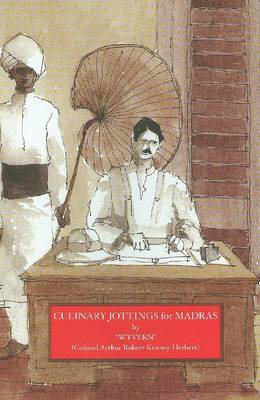
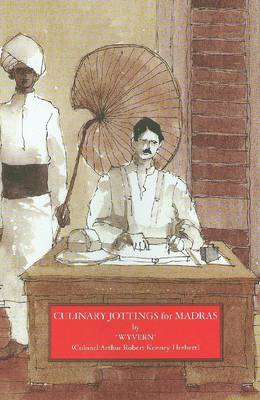
'Wyvern 'was a colonel in the Indian Army, long resident in Madras, who whiled away his spare time writing about cookery in the Madras Athenaeum and Daily News. The upshot of his interesting hobby was this book, which set out to instruct the memsahibs of the day in the best ways to cope with Indian kitchen staff and cooking arrangements and in how to produce decent English and French food with local ingredients and imported supplies. It was first published in Madras in 1878 and went through several editions in India. Our facsimile is of the 1885 edition. It is a fascinating hybrid, for it tells the modern reader a great deal about Anglo-Indian cookery and gives a matchless description of Victorian haute cuisine. There is possibly no better introduction to good cookery than this book. So talented a teacher was 'Wyvern' that eventually he came home to Britain and set up a cookery school in London. His subsequent books, most notably Commonsense Cookery, were also models of their type, though in many respects never improved on his first attempt published here. The chapters cover every aspect of the kitchen, from the cook and his management, the store-room, and the batterie de cuisine, to all dishes suitable for dainty dining, as well as excellent chapters on 'Our Curries', 'Camp Cookery 'and 'Our Kitchens in India'. There are extensive model menus for parties of six or eight people, or for 'Little Home Dinners'. Elizabeth David once said of this book: 'I should recommend anyone with a taste for Victorian gastronomic literature to snap him up... His recipes are so meticulous and clear, that the absolute beginner could follow them, yet at the same time he has much to teach the experienced cook.' First published by Prospect as a facsimile in 1994; the present edition first published in 2007.
Specificaties
Betrokkenen
- Auteur(s):
- Uitgeverij:
Inhoud
- Aantal bladzijden:
- 592
- Taal:
- Engels
Eigenschappen
- Productcode (EAN):
- 9781903018538
- Verschijningsdatum:
- 1/12/2007
- Uitvoering:
- Paperback
- Formaat:
- Trade paperback (VS)
- Afmetingen:
- 131 mm x 197 mm
- Gewicht:
- 616 g


Alleen bij Standaard Boekhandel
+ 101 punten op je klantenkaart van Standaard Boekhandel
Cadeau

AANGERADEN


Beoordelingen
We publiceren alleen reviews die voldoen aan de voorwaarden voor reviews. Bekijk onze voorwaarden voor reviews.