


- Afhalen na 1 uur in een winkel met voorraad
- Gratis thuislevering in België vanaf € 30
- Ruim aanbod met 7 miljoen producten
- Afhalen na 1 uur in een winkel met voorraad
- Gratis thuislevering in België vanaf € 30
- Ruim aanbod met 7 miljoen producten





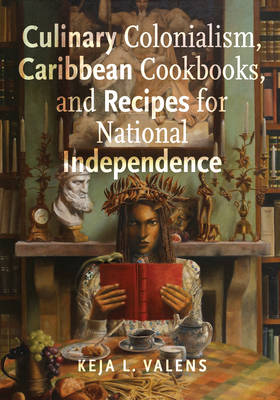
Culinary Colonialism, Caribbean Cookbooks, and Recipes for National Independence
Keja L Valens
€ 65,45
Uitvoering
Omschrijving
Women across the Caribbean have been writing, reading, and exchanging cookbooks since at least the turn of the nineteenth century. These cookbooks are about much more than cooking. Through cookbooks, Caribbean women, and a few men, have shaped, embedded, and contested colonial and domestic orders, delineated the contours of independent national cultures, and transformed tastes for independence into flavors of domestic autonomy. Culinary Colonialism, Caribbean Cookbooks, and Recipes for National Independence integrates new documents into the Caribbean archive and presents them in a rare pan-Caribbean perspective. The first book-length consideration of Caribbean cookbooks, Culinary Colonialism joins a growing body of work in Caribbean studies and food studies that considers the intersections of food writing, race, class, gender, and nationality. A selection of recipes, culled from the archive that Culinary Colonialism assembles, allows readers to savor the confluence of culinary traditions and local specifications that connect and distinguish national cuisines in the Caribbean.
Specificaties
Betrokkenen
- Auteur(s):
- Uitgeverij:
Inhoud
- Aantal bladzijden:
- 504
- Taal:
- Engels
- Reeks:
Eigenschappen
- Productcode (EAN):
- 9781978829541
- Verschijningsdatum:
- 16/02/2024
- Uitvoering:
- Paperback
- Formaat:
- Trade paperback (VS)
- Afmetingen:
- 183 mm x 216 mm
- Gewicht:
- 861 g


Alleen bij Standaard Boekhandel
AANGERADEN


Beoordelingen
We publiceren alleen reviews die voldoen aan de voorwaarden voor reviews. Bekijk onze voorwaarden voor reviews.