


- Afhalen na 1 uur in een winkel met voorraad
- Gratis thuislevering in België vanaf € 30
- Ruim aanbod met 7 miljoen producten
- Afhalen na 1 uur in een winkel met voorraad
- Gratis thuislevering in België vanaf € 30
- Ruim aanbod met 7 miljoen producten





€ 76,45
+ 152 punten
Uitvoering
Omschrijving
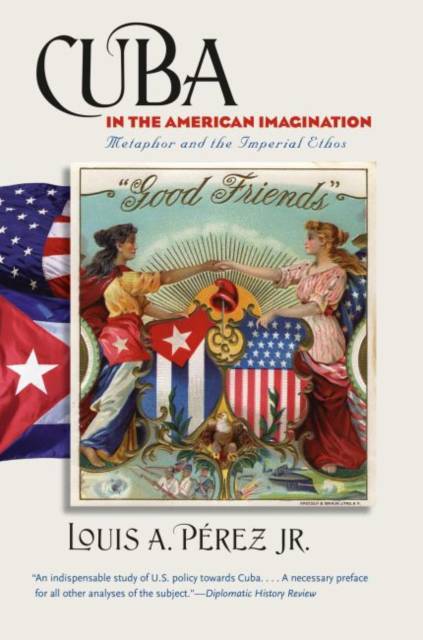
For more than two hundred years, Americans have imagined and described Cuba and its relationship to the United States by conjuring up a variety of striking images -- Cuba as a woman, a neighbor, a ripe fruit, a child learning to ride a bicycle. Louis A. Pérez Jr. offers a revealing history of these metaphorical and depictive motifs and discovers the powerful motives behind such characterizations of the island as they have persisted and changed since the early nineteenth century. Drawing on texts and visual images produced by Americans ranging from government officials, policy makers, and journalists to travelers, tourists, poets, and lyricists, Pérez argues that these charged and coded images of persuasion and mediation were in service to America's imperial impulses over Cuba.
Specificaties
Betrokkenen
- Auteur(s):
- Uitgeverij:
Inhoud
- Aantal bladzijden:
- 584
- Taal:
- Engels
Eigenschappen
- Productcode (EAN):
- 9780807886939
- Verschijningsdatum:
- 1/01/2013
- Uitvoering:
- Paperback
- Formaat:
- Trade paperback (VS)
- Afmetingen:
- 178 mm x 254 mm
- Gewicht:
- 997 g


Alleen bij Standaard Boekhandel
+ 152 punten op je klantenkaart van Standaard Boekhandel
Cadeau

AANGERADEN


Beoordelingen
We publiceren alleen reviews die voldoen aan de voorwaarden voor reviews. Bekijk onze voorwaarden voor reviews.