


- Afhalen na 1 uur in een winkel met voorraad
- Gratis thuislevering in België vanaf € 30
- Ruim aanbod met 7 miljoen producten
- Afhalen na 1 uur in een winkel met voorraad
- Gratis thuislevering in België vanaf € 30
- Ruim aanbod met 7 miljoen producten





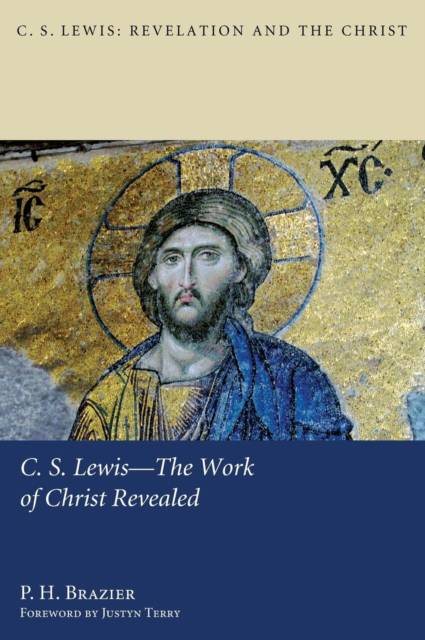
Omschrijving
C. S. Lewis--The Work of Christ Revealed focuses on three doctrines or aspects of Lewis's theology and philosophy: his doctrine of Scripture, his famous mad, bad, or God argument, and his doctrine of christological prefigurement. In each area we see Lewis innovating within the tradition. He accorded a high revelatory status to Scripture, but acknowledged its inconsistencies and shrank away from a theology of inerrancy. He took a two-thousand-year-old theological tradition of aut Deus aut malus homo (either God or a bad man) and developed it in his own way. Most innovative of all was his doctrine of christological prefigurement--intimations of the Christ-event in pagan mythology and ritual. This book forms the second in a series of three studies on the theology of C. S Lewis titled C. S. Lewis, Revelation, and the Christ (www.cslewisandthechrist.net). The books are written for academics and students, but also, crucially, for those people, ordinary Christians, without a theology degree who enjoy and gain sustenance from reading Lewis's work.
Specificaties
Betrokkenen
- Auteur(s):
- Uitgeverij:
Inhoud
- Aantal bladzijden:
- 320
- Taal:
- Engels
- Reeks:
- Reeksnummer:
- nr. 2
Eigenschappen
- Productcode (EAN):
- 9781498261821
- Verschijningsdatum:
- 14/08/2012
- Uitvoering:
- Hardcover
- Formaat:
- Genaaid
- Afmetingen:
- 178 mm x 254 mm
- Gewicht:
- 771 g


Alleen bij Standaard Boekhandel
+ 187 punten op je klantenkaart van Standaard Boekhandel
Cadeau

AANGERADEN


Beoordelingen
We publiceren alleen reviews die voldoen aan de voorwaarden voor reviews. Bekijk onze voorwaarden voor reviews.