


- Afhalen na 1 uur in een winkel met voorraad
- Gratis thuislevering in België vanaf € 30
- Ruim aanbod met 7 miljoen producten
- Afhalen na 1 uur in een winkel met voorraad
- Gratis thuislevering in België vanaf € 30
- Ruim aanbod met 7 miljoen producten





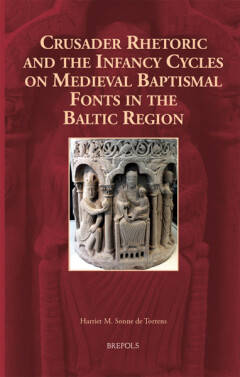
Crusader Rhetoric and the Infancy Cycles on Medieval Baptismal Fonts in the Baltic Region
Harriet M Sonne de Torrens
€ 106,00
+ 212 punten
Omschrijving
This is the first comprehensive, interdisciplinary analysis to demonstrate that the representation of Infancy cycles on twelfth-and-thirteenth-century baptismal fonts was primarily a northern predilection in the Latin West directly influenced by the contemporary military campaigns. The Infantia Christi Corpus, a collection of approximately one-hundred-and-fifty fonts, verifies how the Danish and Gotland workshops modified and augmented biblical history to reflect the prevailing crusader ideology and rhetoric that dominated life during the Valdemarian era in the Baltic region. The artisans constructed the pictorial programs according to the readings of the Mass for the feast days in the seasons of Advent, Christmas and Epiphanytide. The political ambitions of the northern leaders and the Church to create a Land of St. Peter in the Baltic region strategically influenced the integration of Holy Land motifs, warrior saints, militia Christi and martyrdom in the Infancy cycles to justify the escalating northern conquests. Neither before nor after, in the history of baptismal fonts, have so many been ornamented with the Infancy cycle in elaborate pictorial programs. A brief revival of elaborate Infancy cycles occurs on the fourteenth and fifteenth century fonts commissioned for sites previously located in the Christian borderlands east of the Elbe River with the rise of the Baltic military orders and the advancement of the Church authority. This extraordinary study integrates theological, liturgical, historical and political developments, broadening our understanding of what constituted northern crusader art in the twelfth and thirteenth centuries.
Specificaties
Betrokkenen
- Auteur(s):
- Uitgeverij:
Inhoud
- Aantal bladzijden:
- 2024
- Taal:
- Engels
- Reeks:
- Reeksnummer:
- nr. 30
Eigenschappen
- Productcode (EAN):
- 9782503599380
- Verschijningsdatum:
- 31/10/2024
- Uitvoering:
- Hardcover
- Formaat:
- Genaaid
- Gewicht:
- 725 g


Alleen bij Standaard Boekhandel
+ 212 punten op je klantenkaart van Standaard Boekhandel
Cadeau

AANGERADEN


Beoordelingen
We publiceren alleen reviews die voldoen aan de voorwaarden voor reviews. Bekijk onze voorwaarden voor reviews.