


- Afhalen na 1 uur in een winkel met voorraad
- Gratis thuislevering in België vanaf € 30
- Ruim aanbod met 7 miljoen producten
- Afhalen na 1 uur in een winkel met voorraad
- Gratis thuislevering in België vanaf € 30
- Ruim aanbod met 7 miljoen producten





€ 106,00
+ 212 punten
Omschrijving
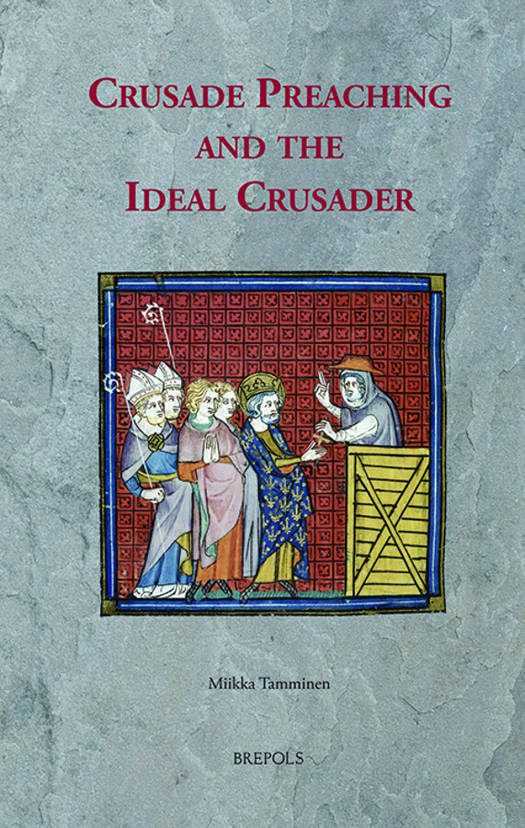
Crusade preachers had a number of responsibilities during the Middle Ages. Preachers were responsible for communicating crusading messages to Christian subjects. They recruited crusaders and sought supporters for the movement. They collected crusading funds and participated in campaigns. During the journeys, the preachers played a central role in creating the identity of the crusading armies, in sustaining the morale of the crusaders, and in explaining the goals of an expedition to the participants. This book explores the creation of the ideal crusader in thirteenth-century society. It presents, for the first time, a study of the crusade model sermons of the thirteenth century as a corpus in its entirety. How were the crusades promoted? How was crusading ideology disseminated throughout Christendom by experienced crusade preachers? What were the characteristics of the ideal crusader? The book considers various dimensions of crusade ideology and the values associated with crusading in thirteenth-century society - the qualities that were appreciated and valued by contemporaries, and the traits that were considered disadvantageous in a crusading context. The expectations, the aspirations, and the concerns of crusade preachers with regard to the conduct and the quality of the crusaders are also explored.
Specificaties
Betrokkenen
- Auteur(s):
- Uitgeverij:
Inhoud
- Aantal bladzijden:
- 332
- Taal:
- Engels
- Reeks:
- Reeksnummer:
- nr. 14
Eigenschappen
- Productcode (EAN):
- 9782503577258
- Verschijningsdatum:
- 15/11/2018
- Uitvoering:
- Hardcover
- Formaat:
- Genaaid
- Afmetingen:
- 165 mm x 239 mm
- Gewicht:
- 725 g


Alleen bij Standaard Boekhandel
+ 212 punten op je klantenkaart van Standaard Boekhandel
Cadeau

AANGERADEN


Beoordelingen
We publiceren alleen reviews die voldoen aan de voorwaarden voor reviews. Bekijk onze voorwaarden voor reviews.