


- Afhalen na 1 uur in een winkel met voorraad
- Gratis thuislevering in België vanaf € 30
- Ruim aanbod met 7 miljoen producten
- Afhalen na 1 uur in een winkel met voorraad
- Gratis thuislevering in België vanaf € 30
- Ruim aanbod met 7 miljoen producten




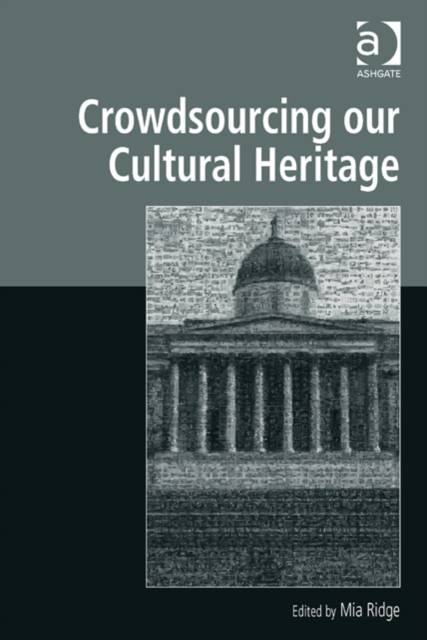
Crowdsourcing our Cultural Heritage
€ 305,45
+ 610 punten
Omschrijving
Crowdsourcing, or asking the general public to help contribute to shared goals, is increasingly popular in memory institutions as a tool for digitising or computing vast amounts of data. This book brings together for the first time the collected wisdom of international leaders in the theory and practice of crowdsourcing in cultural heritage. It features eight accessible case studies of groundbreaking projects from leading cultural heritage and academic institutions, and four thought-provoking essays that reflect on the wider implications of this engagement for participants and on the institutions themselves. This book will be essential reading for information and cultural management professionals, students and researchers in universities, corporate, public or academic libraries, museums and archives.
Specificaties
Betrokkenen
- Uitgeverij:
Inhoud
- Aantal bladzijden:
- 306
- Taal:
- Engels
- Reeks:
Eigenschappen
- Productcode (EAN):
- 9781472410221
- Verschijningsdatum:
- 17/10/2014
- Uitvoering:
- Hardcover
- Formaat:
- Genaaid
- Afmetingen:
- 156 mm x 234 mm
- Gewicht:
- 607 g


Alleen bij Standaard Boekhandel
+ 610 punten op je klantenkaart van Standaard Boekhandel
AANGERADEN


Beoordelingen
We publiceren alleen reviews die voldoen aan de voorwaarden voor reviews. Bekijk onze voorwaarden voor reviews.