


- Afhalen na 1 uur in een winkel met voorraad
- Gratis thuislevering in België vanaf € 30
- Ruim aanbod met 7 miljoen producten
- Afhalen na 1 uur in een winkel met voorraad
- Gratis thuislevering in België vanaf € 30
- Ruim aanbod met 7 miljoen producten





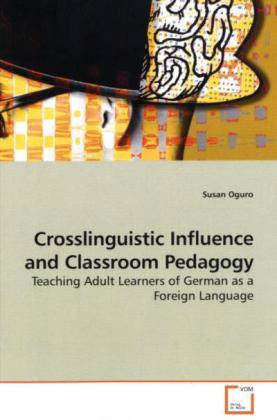
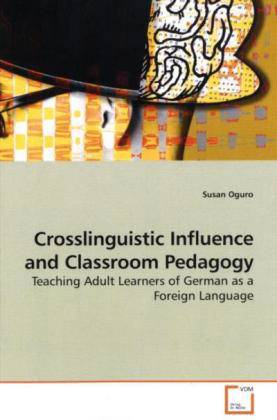
Crosslinguistic Influence and Classroom Pedagogy
Teaching Adult Learners of German as a Foreign Language
Susan Oguro
Paperback | Engels
€ 71,95
+ 143 punten
Omschrijving
This book explores the notion of Crosslinguistic Influence in Language Learning: how the first language of a learner influences the learning of subsequent languages. It examines not only the phenomena in regards to the process of language learning but also investigates the implications of crosslinguistic influence for classroom teaching practices. Specifically, the book focuses on the acquisition of German by adults whose first language is English and the effect of specific English syntactic patterns on the acquisition of related structures in German. The book provides a comprehensive overview of developments in theoretical understandings of crosslinguistic influence, and shows how these understandings have influenced foreign language teachers' classroom practices over time. One teaching method is empirically tested with the results supporting an approach to foreign/second language pedagogy which accounts for crosslinguistic influence in its design.
Specificaties
Betrokkenen
- Auteur(s):
- Uitgeverij:
Inhoud
- Aantal bladzijden:
- 96
- Taal:
- Engels
Eigenschappen
- Productcode (EAN):
- 9783639204247
- Verschijningsdatum:
- 2/10/2009
- Uitvoering:
- Paperback
- Formaat:
- Trade paperback (VS)
- Afmetingen:
- 152 mm x 229 mm
- Gewicht:
- 149 g


Alleen bij Standaard Boekhandel
+ 143 punten op je klantenkaart van Standaard Boekhandel
AANGERADEN


Beoordelingen
We publiceren alleen reviews die voldoen aan de voorwaarden voor reviews. Bekijk onze voorwaarden voor reviews.