



- Afhalen na 1 uur in een winkel met voorraad
- In januari gratis thuislevering in België
- Ruim aanbod met 7 miljoen producten
- Afhalen na 1 uur in een winkel met voorraad
- In januari gratis thuislevering in België
- Ruim aanbod met 7 miljoen producten





€ 43,45
+ 86 punten
Omschrijving
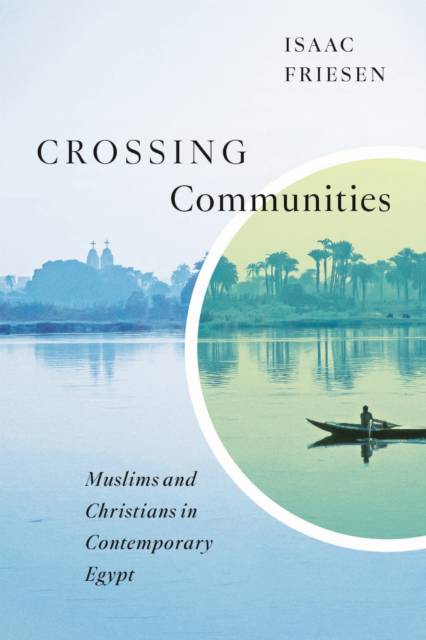
War, sectarianism, and imperialism have eroded diversity in the Middle East. While Egypt has been spared the scale of violence devastating Syria, Palestine, Lebanon, and Iraq, religious nationalism, economic turmoil, and state repression have deepened tensions between Egyptian Muslims and Coptic Christians - the region's largest Christian community. Within this context, religious difference in contemporary Egypt is often framed through narratives of separation, violence, and decline. Yet beneath the surface of this tumult, most Egyptian Muslims and Christians live together in community and peace. Drawing on years of participant observation, extensive interviews, and the institutional archives of both Muslim and Christian communities in the provincial city of Beni Suef, this compelling work examines overlapping traditions, practices, and histories at Coptic Christian sites frequented by local Muslims to reveal patterns of confident and casual interfaith crossing. Egyptians remain acutely aware of the history of interfaith distrust, separation, and violence but nonetheless sustain flexible, tolerant, and communal relationships. Isaac Friesen offers a significant glimpse into how provincial Egyptians have experienced revolution, empire, neoliberalism, religious revival, globalization, and the state in their everyday lives. With its vivid settings and engaging portraits of communities and individuals, Crossing Communities tells a story not of lost diversity but of a diversity that is dynamic and enduring.
Specificaties
Betrokkenen
- Auteur(s):
- Uitgeverij:
Inhoud
- Aantal bladzijden:
- 234
- Taal:
- Engels
- Reeks:
Eigenschappen
- Productcode (EAN):
- 9780228027584
- Verschijningsdatum:
- 19/05/2026
- Uitvoering:
- Paperback
- Formaat:
- Trade paperback (VS)
- Afmetingen:
- 152 mm x 229 mm
- Gewicht:
- 453 g


Alleen bij Standaard Boekhandel
+ 86 punten op je klantenkaart van Standaard Boekhandel
Cadeau

AANGERADEN


Beoordelingen
We publiceren alleen reviews die voldoen aan de voorwaarden voor reviews. Bekijk onze voorwaarden voor reviews.