


- Afhalen na 1 uur in een winkel met voorraad
- Gratis thuislevering in België vanaf € 30
- Ruim aanbod met 7 miljoen producten
- Afhalen na 1 uur in een winkel met voorraad
- Gratis thuislevering in België vanaf € 30
- Ruim aanbod met 7 miljoen producten





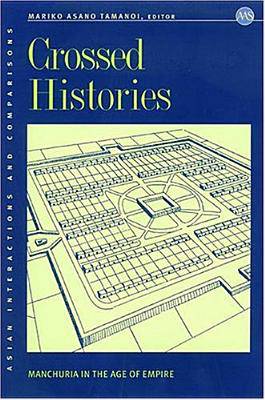
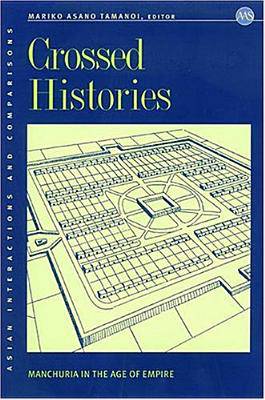
Crossed Histories
Manchuria in the Age of Empire
€ 71,95
+ 143 punten
Omschrijving
Crossed Histories represents a collaborative and interdisciplinary approach to "Manchuria" under Japan's influence from the turn of the twentieth century to 1945. The contributors, who represent the fields of history, literature, film studies, sociology, and anthropology, unpack the complexity of Manchuria as an effect of the geopolitical imaginaries of various individuals and groups shaped by imperialism, colonialism, Pan-Asianism, and the present globalization. Manchuria is thus examined in the imaginations of a Chinese journalist and his Shanghai readers in the 1930s; prewar Japanese city planners and architects; a Manchu princess later executed by the Chinese nationalist government; various audiences of Japanese "goodwill films" of the 1930s and 1940s; the seven thousand Poles who immigrated to northern Manchuria in the late nineteenth and early twentieth centuries; the state makers of Manchukuo (which included both Japanese and Chinese leaders) and North and South Korea during the Cold War era; and a student of Manchuria Nation- Building University in the mid-1940s.
Specificaties
Betrokkenen
- Uitgeverij:
Inhoud
- Aantal bladzijden:
- 224
- Taal:
- Engels
- Reeks:
- Reeksnummer:
- nr. 4
Eigenschappen
- Productcode (EAN):
- 9780824828721
- Verschijningsdatum:
- 30/04/2005
- Uitvoering:
- Hardcover
- Formaat:
- Genaaid
- Afmetingen:
- 162 mm x 234 mm
- Gewicht:
- 553 g

Alleen bij Standaard Boekhandel
+ 143 punten op je klantenkaart van Standaard Boekhandel
Cadeau

AANGERADEN


Beoordelingen
We publiceren alleen reviews die voldoen aan de voorwaarden voor reviews. Bekijk onze voorwaarden voor reviews.