


- Afhalen na 1 uur in een winkel met voorraad
- Gratis thuislevering in België vanaf € 30
- Ruim aanbod met 7 miljoen producten
- Afhalen na 1 uur in een winkel met voorraad
- Gratis thuislevering in België vanaf € 30
- Ruim aanbod met 7 miljoen producten





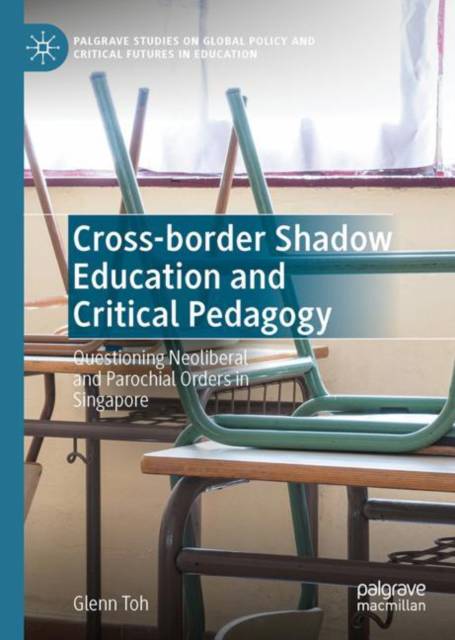
Cross-Border Shadow Education and Critical Pedagogy
Questioning Neoliberal and Parochial Orders in Singapore
Glenn Toh
€ 140,95
+ 281 punten
Uitvoering
Omschrijving
This book explores critical pedagogy and issues relating to entrepreneurialism, commodification, and marketization in education, and their deleterious effects on student agency and subjectivity. The central theme of the book is a cross-border critical ethnographic study of the shadow education practices of an overseas Japanese business community in Singapore which draws attention to the elaborate extent to which families are engaged in shadow or cram tutoring practices as part of their children's education, supported by the strong presence of overseas branches of well-established corporate tutoring businesses headquartered in Japan. The author ultimately critiques a banking approach to education, particularly in terms of its oppressive and dehumanizing outcomes, sustained by the inner workings of neoliberal forces and mercantilist ideologies.
Specificaties
Betrokkenen
- Auteur(s):
- Uitgeverij:
Inhoud
- Aantal bladzijden:
- 196
- Taal:
- Engels
- Reeks:
Eigenschappen
- Productcode (EAN):
- 9783030928315
- Verschijningsdatum:
- 11/03/2022
- Uitvoering:
- Hardcover
- Formaat:
- Genaaid
- Afmetingen:
- 148 mm x 210 mm
- Gewicht:
- 408 g


Alleen bij Standaard Boekhandel
+ 281 punten op je klantenkaart van Standaard Boekhandel
Cadeau

AANGERADEN


Beoordelingen
We publiceren alleen reviews die voldoen aan de voorwaarden voor reviews. Bekijk onze voorwaarden voor reviews.