


- Afhalen na 1 uur in een winkel met voorraad
- Gratis thuislevering in België vanaf € 30
- Ruim aanbod met 7 miljoen producten
- Afhalen na 1 uur in een winkel met voorraad
- Gratis thuislevering in België vanaf € 30
- Ruim aanbod met 7 miljoen producten





€ 75,50
+ 151 punten
Omschrijving
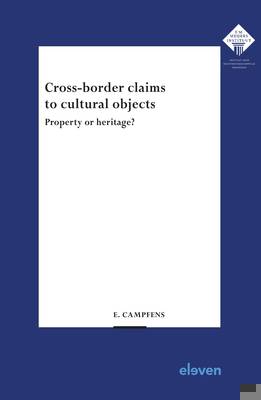
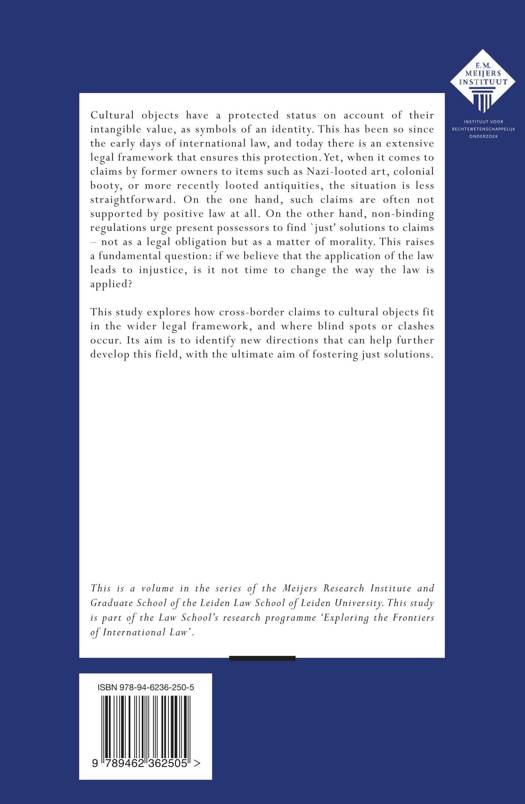
Cultural objects have a protected status on account of their intangible value, as symbols of an identity. This has been so since the early days of international law, and today there is an extensive legal framework that ensures this protection. Yet, when it comes to claims by former owners to items such as Nazi-looted art, colonial booty, or more recently looted antiquities, the situation is less straightforward. On the one hand, such claims are often not supported by positive law at all. On the other hand, non-binding regulations urge present possessors to find `just' solutions to claims - not as a legal obligation but as a matter of morality. This raises a fundamental question: if we believe that the application of the law leads to injustice, is it not time to change the way the law is applied? This study explores how cross-border claims to cultural objects fit in the wider legal framework, and where blind spots or clashes occur. It consists of seven chapters, five of which each dealing with different categories of claims that were published in international (cultural heritage) law journals. The overall aim of this dissertation is to identify new directions that can help further develop this field, with the ultimate aim of fostering just solutions.
Specificaties
Betrokkenen
- Auteur(s):
- Uitgeverij:
Inhoud
- Aantal bladzijden:
- 304
- Taal:
- Engels
- Reeks:
Eigenschappen
- Productcode (EAN):
- 9789462362505
- Verschijningsdatum:
- 21/10/2021
- Uitvoering:
- Paperback
- Formaat:
- Trade paperback (VS)
- Afmetingen:
- 170 mm x 244 mm
- Gewicht:
- 491 g


Alleen bij Standaard Boekhandel
+ 151 punten op je klantenkaart van Standaard Boekhandel
Cadeau

AANGERADEN


Beoordelingen
We publiceren alleen reviews die voldoen aan de voorwaarden voor reviews. Bekijk onze voorwaarden voor reviews.