


- Afhalen na 1 uur in een winkel met voorraad
- Gratis thuislevering in België vanaf € 30
- Ruim aanbod met 7 miljoen producten
- Afhalen na 1 uur in een winkel met voorraad
- Gratis thuislevering in België vanaf € 30
- Ruim aanbod met 7 miljoen producten





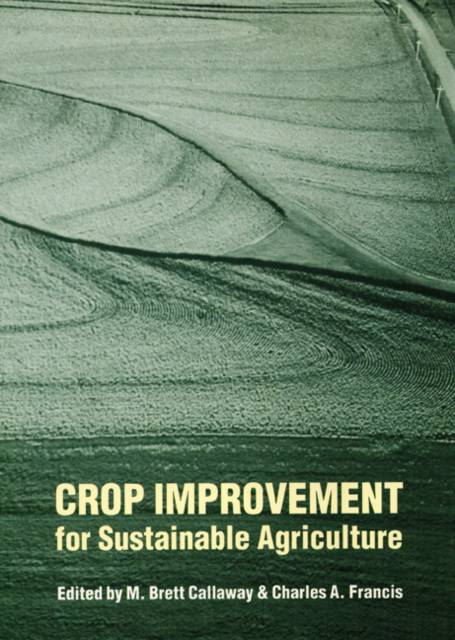
Crop Improvement for Sustainable Agriculture
€ 83,95
+ 167 punten
Omschrijving
Conventional agriculture has attempted to exploit arable land by applying chemical fertilizers, pesticides, and irrigation water. These practices become increasingly tenuous as they exhaust our supplies of fossil fuels, deplete aquifers and raise concerns about the safety of food and the overall effect of agriculture on the quality of rural life. The contributors to this volume believe that instead of changing the environment, we can change the adaptation of the plants that we grow in it. Genetic improvement of crop plants for stress conditions and for less favorable environments is a cost-effective way to develop future sustainable agricultural systems. There area number of favorable genetic traits that can be incorporated into crop plants, thus making them more hardy and more productive. Eighteen noted researchers currently working in plant breeding and related fields bring together the best thinking about achieving crop improvement--especially the development of new genetic combina-tions--to create a sustainable agriculture.
Specificaties
Betrokkenen
- Uitgeverij:
Inhoud
- Aantal bladzijden:
- 262
- Taal:
- Engels
- Reeks:
- Reeksnummer:
- nr. 4
Eigenschappen
- Productcode (EAN):
- 9780803214620
- Verschijningsdatum:
- 01/11/1993
- Uitvoering:
- Hardcover
- Formaat:
- Genaaid
- Afmetingen:
- 160 mm x 238 mm
- Gewicht:
- 603 g

Alleen bij Standaard Boekhandel
+ 167 punten op je klantenkaart van Standaard Boekhandel
Cadeau

AANGERADEN


Beoordelingen
We publiceren alleen reviews die voldoen aan de voorwaarden voor reviews. Bekijk onze voorwaarden voor reviews.