


- Afhalen na 1 uur in een winkel met voorraad
- Gratis thuislevering in België vanaf € 30
- Ruim aanbod met 7 miljoen producten
- Afhalen na 1 uur in een winkel met voorraad
- Gratis thuislevering in België vanaf € 30
- Ruim aanbod met 7 miljoen producten





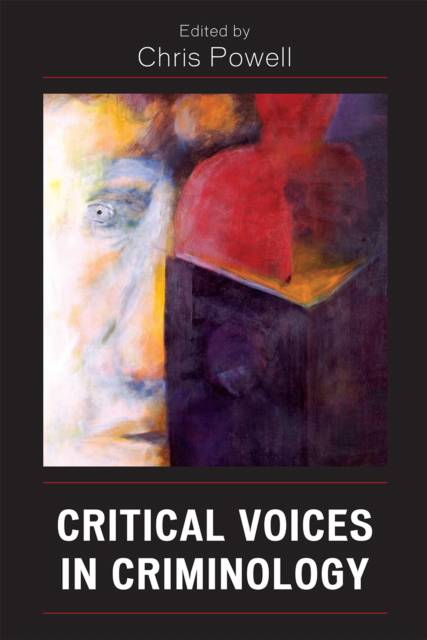
Critical Voices in Criminology
€ 99,95
+ 199 punten
Omschrijving
Readers of criminological literature are presented with little more than thumbnail sketches as to the social characteristics or motivations of the authors. One learns their status, institutional location, and supposed credentials. Rarely are we presented with more detailed impressions of the authors as a combination of positivist assumptions and notions of professional competence seemingly render such information unimportant. However, increasing numbers of critical scholars are becoming aware of authorship as an issue; it matters who is addressing us. By taking these authors out of their methodological framework, Critical Voices in Criminology provides an opportunity for figures in and around critical criminology to discuss their own intellectual journeys into and within the discipline. The book offers the opportunity for contributors to reflect on their work and consider what they did not say. It also affords them the opportunity to describe their own 'channeling processes' by indicating how the pursuance of some themes/topics 'seemed' appropriate, sensible, or realistic, while others appeared less so, whether they internalized these particular themes, or attempted to contest and/or replace them.
Specificaties
Betrokkenen
- Uitgeverij:
Inhoud
- Aantal bladzijden:
- 274
- Taal:
- Engels
- Reeks:
Eigenschappen
- Productcode (EAN):
- 9780739120330
- Verschijningsdatum:
- 1/08/2009
- Uitvoering:
- Paperback
- Formaat:
- Trade paperback (VS)
- Afmetingen:
- 152 mm x 226 mm
- Gewicht:
- 430 g


Alleen bij Standaard Boekhandel
+ 199 punten op je klantenkaart van Standaard Boekhandel
AANGERADEN


Beoordelingen
We publiceren alleen reviews die voldoen aan de voorwaarden voor reviews. Bekijk onze voorwaarden voor reviews.