


- Afhalen na 1 uur in een winkel met voorraad
- Gratis thuislevering in België vanaf € 30
- Ruim aanbod met 7 miljoen producten
- Afhalen na 1 uur in een winkel met voorraad
- Gratis thuislevering in België vanaf € 30
- Ruim aanbod met 7 miljoen producten





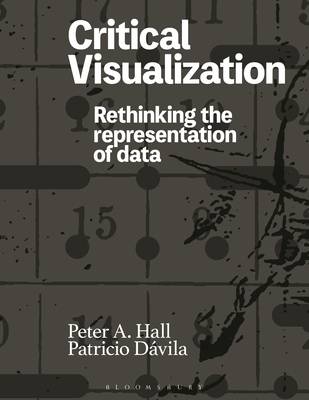
Critical Visualization
Rethinking the Representation of Data
Peter A Hall, Patricio Dávila
Paperback | Engels
€ 44,95
+ 89 punten
Uitvoering
Omschrijving
Information may be beautiful, but our decisions about the data we choose to represent and how we represent it are never neutral. This insightful history traces how data visualization accompanied modern technologies of war, colonialism and the management of social issues of poverty, health and crime. Discussion is based around examples of visualization, from the ancient Andean information technology of the quipu to contemporary projects that show the fate of our rubbish and take a participatory approach to visualizing cities. This analysis places visualization in its theoretical and cultural contexts, and provides a critical framework for understanding the history of information design with new directions for contemporary practice.
Specificaties
Betrokkenen
- Auteur(s):
- Uitgeverij:
Inhoud
- Aantal bladzijden:
- 256
- Taal:
- Engels
Eigenschappen
- Productcode (EAN):
- 9781350077249
- Verschijningsdatum:
- 29/12/2022
- Uitvoering:
- Paperback
- Formaat:
- Trade paperback (VS)
- Afmetingen:
- 185 mm x 244 mm
- Gewicht:
- 1065 g


Alleen bij Standaard Boekhandel
+ 89 punten op je klantenkaart van Standaard Boekhandel
AANGERADEN


Beoordelingen
We publiceren alleen reviews die voldoen aan de voorwaarden voor reviews. Bekijk onze voorwaarden voor reviews.