


- Afhalen na 1 uur in een winkel met voorraad
- Gratis thuislevering in België vanaf € 30
- Ruim aanbod met 7 miljoen producten
- Afhalen na 1 uur in een winkel met voorraad
- Gratis thuislevering in België vanaf € 30
- Ruim aanbod met 7 miljoen producten





Omschrijving
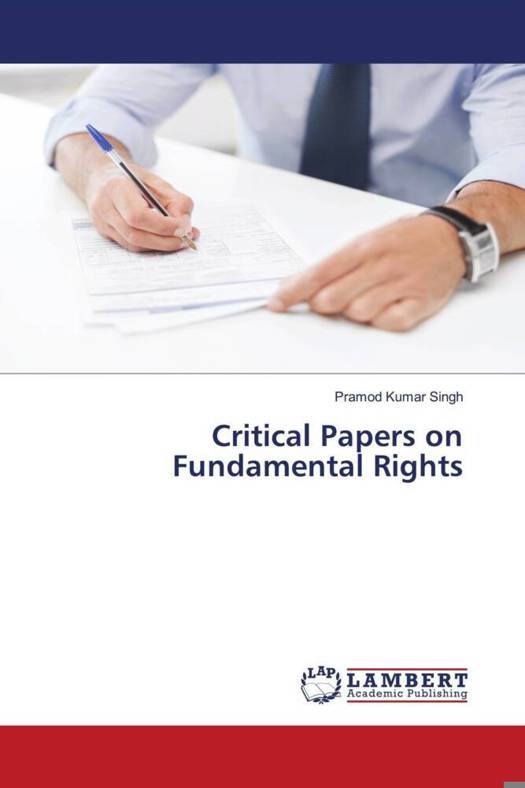
Medical evidences and scientific techniques are also used by investigating agencies to prove the guilt of the accused. The medical and scientific evidences can play a major role in identifying the accused and proving his guilt. These evidences are mainly corroborative pieces of evidences. The expression "evidence" means "oral or documentary or circumstantial proof of the allegations in issue between the parties in a legal proceeding". "Medical evidence" means a proof given by medical expert, which is based on his scientific knowledge skill and personal experience. The opinion of a medical expert cannot outweigh the testimony of a respected and independent witness. But if there is a conflict between the two, then medical evidence is given preference. The testimony of eye witnesses, therefore, can not be thrown out merely on the ground of its inconsistency with medical evidence because medical evidence is only of probative and corroborative. In case of inconsistency in medical and ocular evidence, the evidence of eye witness may not be believed by the court.
Specificaties
Betrokkenen
- Auteur(s):
- Uitgeverij:
Inhoud
- Aantal bladzijden:
- 108
- Taal:
- Engels
Eigenschappen
- Productcode (EAN):
- 9783659781810
- Uitvoering:
- Paperback
- Afmetingen:
- 150 mm x 220 mm



Alleen bij Standaard Boekhandel
+ 108 punten op je klantenkaart van Standaard Boekhandel
AANGERADEN


Beoordelingen
We publiceren alleen reviews die voldoen aan de voorwaarden voor reviews. Bekijk onze voorwaarden voor reviews.