


- Afhalen na 1 uur in een winkel met voorraad
- Gratis thuislevering in België vanaf € 30
- Ruim aanbod met 7 miljoen producten
- Afhalen na 1 uur in een winkel met voorraad
- Gratis thuislevering in België vanaf € 30
- Ruim aanbod met 7 miljoen producten





Omschrijving
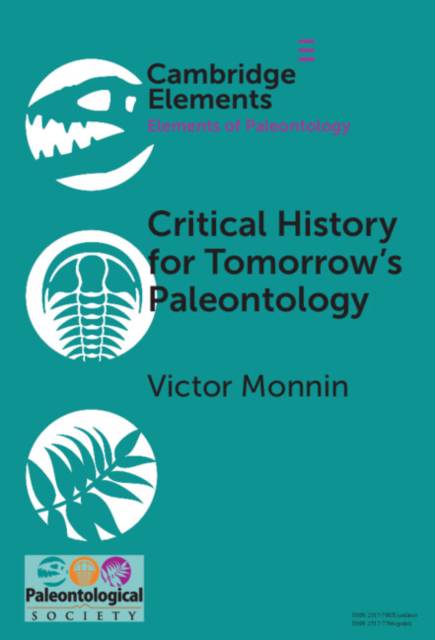
This Element argues for the benefits of integrating the perspectives of a new historiography of paleontology in the training of upcoming paleontologists and in the paleontological community's culture more broadly. Wrestling with the complex legacy of its past, the paleontological community is facing the need to reappreciate its history to address issues of accessibility and equity affecting the field, such as gender gap, parachute science, and specimen repatriation. The ability of the paleontological community to address these issues depends partly on the nature of its engagement with the past in which they find their source. This Element provides a conceptual toolkit to help with the interpretation of the unprecedented position in which the paleontological community finds itself regarding its past. It also introduces historiographical resources and provides some suggestions to foster collaboration between paleontology and the history of paleontology.
Specificaties
Betrokkenen
- Auteur(s):
- Uitgeverij:
Inhoud
- Aantal bladzijden:
- 66
- Taal:
- Engels
- Reeks:
Eigenschappen
- Productcode (EAN):
- 9781009771320
- Verschijningsdatum:
- 5/03/2026
- Uitvoering:
- Hardcover
- Formaat:
- Genaaid
- Afmetingen:
- 152 mm x 229 mm
- Gewicht:
- 263 g


Alleen bij Standaard Boekhandel
+ 248 punten op je klantenkaart van Standaard Boekhandel
Cadeau

AANGERADEN


Beoordelingen
We publiceren alleen reviews die voldoen aan de voorwaarden voor reviews. Bekijk onze voorwaarden voor reviews.