



- Afhalen na 1 uur in een winkel met voorraad
- In januari gratis thuislevering in België
- Ruim aanbod met 7 miljoen producten
- Afhalen na 1 uur in een winkel met voorraad
- In januari gratis thuislevering in België
- Ruim aanbod met 7 miljoen producten




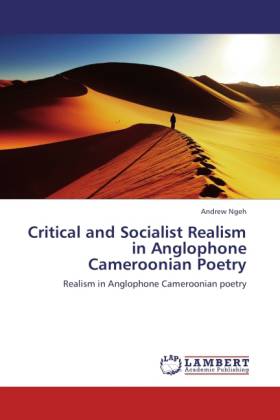
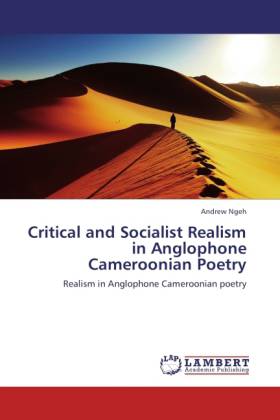
Critical and Socialist Realism in Anglophone Cameroonian Poetry
Realism in Anglophone Cameroonian poetry
Andrew Ngeh
Paperback | Engels
€ 77,95
+ 155 punten
Omschrijving
The main thrust of the argument of this book is predicated on the basis that Anglophone Cameroonian poetry has evolved from the critical realist tradition to the socialist realist perspective.To achieve the objectives of this study, the new historicist critical theory was employed to interpret,analyze and evaluate the poetry of Bernard Fonlon, Sankie Maimo, Mbella Sonne Dipoko and Bongasu-Tanla Kishani(first generation Anglophone Cameroonian poets), and Bate Besong, Emmanuel Fru Doh, Nol Alenbong and Gahlia Gwangwa'a(second generation Anglophone Cameroonian poets)against the backdrop of critical and socialist realisms respectively. It was realized that Anglophone Cameroonian poetry is dynamic as it has moved from mere criticism to activism. Again the author has argued and demonstrated that while critics like Omafume Onoge, Ernst Fisher Maxim Gorky and Georg Lukacs have used the two concepts to periodise literature, the two concepts can also be used as interpretive tools.
Specificaties
Betrokkenen
- Auteur(s):
- Uitgeverij:
Inhoud
- Aantal bladzijden:
- 376
- Taal:
- Engels
Eigenschappen
- Productcode (EAN):
- 9783846528075
- Verschijningsdatum:
- 12/10/2011
- Uitvoering:
- Paperback
- Afmetingen:
- 152 mm x 229 mm
- Gewicht:
- 549 g


Alleen bij Standaard Boekhandel
+ 155 punten op je klantenkaart van Standaard Boekhandel
Cadeau

AANGERADEN


Beoordelingen
We publiceren alleen reviews die voldoen aan de voorwaarden voor reviews. Bekijk onze voorwaarden voor reviews.