



Je cadeautjes zeker op tijd in huis hebben voor de feestdagen? Kom langs in onze winkels en vind het perfecte geschenk!
- Afhalen na 1 uur in een winkel met voorraad
- Gratis thuislevering in België vanaf € 30
- Ruim aanbod met 7 miljoen producten
Je cadeautjes zeker op tijd in huis hebben voor de feestdagen? Kom langs in onze winkels en vind het perfecte geschenk!
- Afhalen na 1 uur in een winkel met voorraad
- Gratis thuislevering in België vanaf € 30
- Ruim aanbod met 7 miljoen producten





Omschrijving
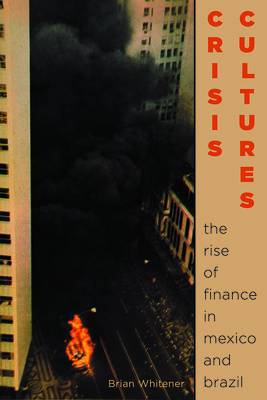
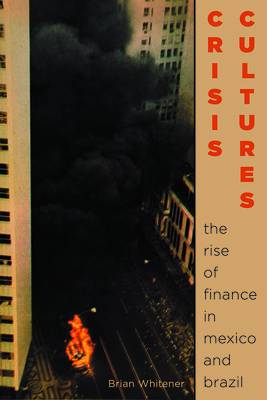
Drawing on a mix of political, economic, literary, and filmic texts, Crisis Cultures challenges current cultural histories of the neoliberal period by arguing that financialization, and not just neoliberalism, has been at the center of the dramatic transformations in Latin American societies in the last thirty years. Starting from political economic figures such as crisis, hyperinflation, credit, and circulation and exemplary cultural texts, Whitener traces the interactions between culture, finance, surplus populations, and racialized state violence after 1982 in Mexico and Brazil. Crisis Cultures makes sense of the emergence of new forms of exploitation and terrifying police and militarized violence by tracking the cultural and discursive forms, including real abstraction and the favela and immaterial cadavers and voided collectivities, that have emerged in the complicated aftermath of the long downturn and global turn to finance.
Specificaties
Betrokkenen
- Auteur(s):
- Uitgeverij:
Inhoud
- Aantal bladzijden:
- 232
- Taal:
- Engels
- Reeks:
Eigenschappen
- Productcode (EAN):
- 9780822965862
- Verschijningsdatum:
- 24/05/2019
- Uitvoering:
- Hardcover
- Formaat:
- Genaaid
- Afmetingen:
- 152 mm x 234 mm
- Gewicht:
- 476 g


Alleen bij Standaard Boekhandel
+ 167 punten op je klantenkaart van Standaard Boekhandel
CADEAU


Beoordelingen
We publiceren alleen reviews die voldoen aan de voorwaarden voor reviews. Bekijk onze voorwaarden voor reviews.