


- Afhalen na 1 uur in een winkel met voorraad
- Gratis thuislevering in België vanaf € 30
- Ruim aanbod met 7 miljoen producten
- Afhalen na 1 uur in een winkel met voorraad
- Gratis thuislevering in België vanaf € 30
- Ruim aanbod met 7 miljoen producten





€ 55,45
+ 110 punten
Omschrijving
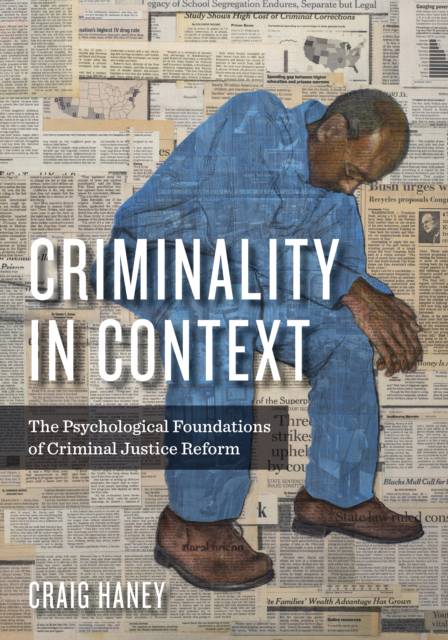
In this groundbreaking book that is built on decades of work on the front lines of the criminal justice system, expert psychologist Craig Haney provides a blueprint for fundamental reform by changing our understanding of who commits crime and why. Based on a comprehensive review and analysis of psychological research, Haney offers a carefully constructed framework for enhancing legal fairness and reducing crime through proactive prevention instead of reactive punishment. Haney meticulously reviews evidence documenting the ways in which a person's social history, institutional experiences, and present circumstances powerfully shape their life course, with a special focus on the role of social, economic, and racial injustice in crime causation. He thus effectively debunks the "crime master narrative"--the widespread myth that criminality is a product of free and autonomous "bad" choices--an increasingly anachronistic view that cannot bear the weight of contemporary psychological data and theory. This is a must-read for understanding the origins of criminal behavior and developing a fair and effective system to address them.
Specificaties
Betrokkenen
- Auteur(s):
- Uitgeverij:
Inhoud
- Aantal bladzijden:
- 423
- Taal:
- Engels
- Reeks:
Eigenschappen
- Productcode (EAN):
- 9781433831423
- Verschijningsdatum:
- 28/01/2020
- Uitvoering:
- Paperback
- Formaat:
- Trade paperback (VS)
- Afmetingen:
- 178 mm x 251 mm
- Gewicht:
- 771 g


Alleen bij Standaard Boekhandel
+ 110 punten op je klantenkaart van Standaard Boekhandel
Cadeau

AANGERADEN


Beoordelingen
We publiceren alleen reviews die voldoen aan de voorwaarden voor reviews. Bekijk onze voorwaarden voor reviews.