



Je cadeautjes zeker op tijd in huis hebben voor de feestdagen? Kom langs in onze winkels en vind het perfecte geschenk!
- Afhalen na 1 uur in een winkel met voorraad
- Gratis thuislevering in België vanaf € 30
- Ruim aanbod met 7 miljoen producten
Je cadeautjes zeker op tijd in huis hebben voor de feestdagen? Kom langs in onze winkels en vind het perfecte geschenk!
- Afhalen na 1 uur in een winkel met voorraad
- Gratis thuislevering in België vanaf € 30
- Ruim aanbod met 7 miljoen producten





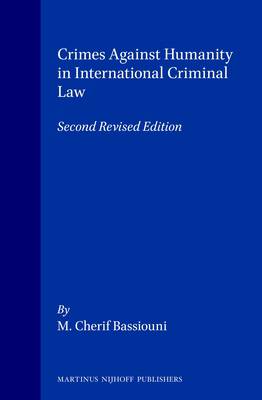
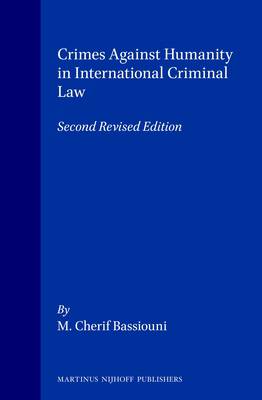
Crimes Against Humanity in International Criminal Law
Second Revised Edition
M Cherif Bassiouni
Hardcover | Engels
€ 676,45
+ 1352 punten
Omschrijving
In this revised edition, Professor Bassiouni persuasively establishes the legal validity of the Nuremberg Charter and describes the evolution of crimes against humanity' from 1945 to the 1998 ICC Statute. The book's comprehensive historical and legal analysis starts with the origins of this crime in the international regulation of armed conflicts and covers the Nuremberg, Tokyo and Allied Prosecutions after World War II, and subsequent national prosecutions, as well as the Statutes of the ICTY, ICTR and their jurisprudence, and the Statute of the ICC. The Nuremberg Charter first established crimes against humanity' in positive international criminal law, but it raised lingering legal issues. The book examines the ten different international legal formulations which were developed at that time, particularly their overlap with genocide and war crimes, and sorts out the confusion regarding the legal characteristics of this crime. The meticulous and thorough analysis of all relevant legal issues, many of which are not covered elsewhere, includes: principles of legality, criminal responsibility for decision-makers and others, command responsibility, obedience to superior orders and other defences, specific contents and their counterpart in national laws, policy considerations, and the applicability of this crime to non-State actors. The wealth of information and detailed discussion of international and national prosecutions and their failures make a compelling case for more effective enforcement in the future. The author brings to this book his well-known scholarship and unique practical experiences as Chairman of the UN Commission that investigated these crimes in the former Yugoslavia, andas Chairman of the ICC's Drafting Committee in Rome. The breadth and depth of this exhaustively documented book makes it the definitive authority on crimes against humanity'.
Specificaties
Betrokkenen
- Auteur(s):
- Uitgeverij:
Inhoud
- Aantal bladzijden:
- 652
- Taal:
- Engels
Eigenschappen
- Productcode (EAN):
- 9789041112224
- Verschijningsdatum:
- 1/07/1999
- Uitvoering:
- Hardcover
- Formaat:
- Genaaid
- Afmetingen:
- 163 mm x 244 mm
- Gewicht:
- 1133 g


Alleen bij Standaard Boekhandel
+ 1352 punten op je klantenkaart van Standaard Boekhandel
CADEAU


Beoordelingen
We publiceren alleen reviews die voldoen aan de voorwaarden voor reviews. Bekijk onze voorwaarden voor reviews.