



Je cadeautjes zeker op tijd in huis hebben voor de feestdagen? Kom langs in onze winkels en vind het perfecte geschenk!
- Afhalen na 1 uur in een winkel met voorraad
- Gratis thuislevering in België vanaf € 30
- Ruim aanbod met 7 miljoen producten
Je cadeautjes zeker op tijd in huis hebben voor de feestdagen? Kom langs in onze winkels en vind het perfecte geschenk!
- Afhalen na 1 uur in een winkel met voorraad
- Gratis thuislevering in België vanaf € 30
- Ruim aanbod met 7 miljoen producten





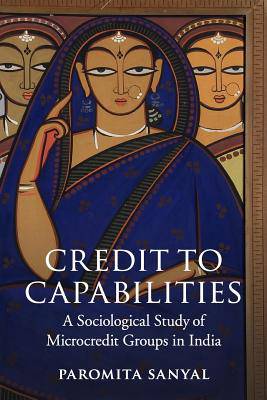
Credit to Capabilities
A Sociological Study of Microcredit Groups in India
Paromita Sanyal
Paperback | Engels
€ 53,45
+ 106 punten
Uitvoering
Omschrijving
Credit to Capabilities focuses on the controversial topic of microcredit's impact on women's empowerment and, especially, on the neglected question of how microcredit transforms women's agency. Based on interviews with hundreds of economically and socially vulnerable women from peasant households, this book highlights the role of the associational mechanism - forming women into groups that are embedded in a vast network and providing the opportunity for face-to-face participation in group meetings - in improving women's capabilities. This book reveals the role of microcredit groups in fostering women's social capital, particularly their capacity of organizing collective action for public goods and for protecting women's welfare. It argues that, in the Indian context, microcredit groups are becoming increasingly important in rural civil societies. Throughout, the book maintains an analytical distinction between married women in male-headed households and women in female-headed households in discussing the potentials and the limitations of microcredit's social and economic impacts.
Specificaties
Betrokkenen
- Auteur(s):
- Uitgeverij:
Inhoud
- Aantal bladzijden:
- 336
- Taal:
- Engels
Eigenschappen
- Productcode (EAN):
- 9781107434479
- Verschijningsdatum:
- 23/06/2016
- Uitvoering:
- Paperback
- Formaat:
- Trade paperback (VS)
- Afmetingen:
- 152 mm x 229 mm
- Gewicht:
- 449 g


Alleen bij Standaard Boekhandel
+ 106 punten op je klantenkaart van Standaard Boekhandel
CADEAU


Beoordelingen
We publiceren alleen reviews die voldoen aan de voorwaarden voor reviews. Bekijk onze voorwaarden voor reviews.