


- Afhalen na 1 uur in een winkel met voorraad
- Gratis thuislevering in België vanaf € 30
- Ruim aanbod met 7 miljoen producten
- Afhalen na 1 uur in een winkel met voorraad
- Gratis thuislevering in België vanaf € 30
- Ruim aanbod met 7 miljoen producten





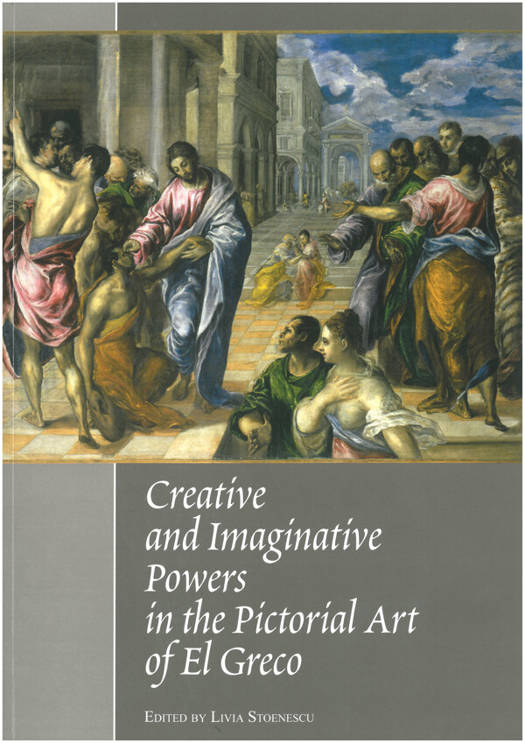
Creative and Imaginative Powers in the Pictorial Art of El Greco
Livia Stoenescu
€ 106,00
+ 212 punten
Omschrijving
This volume presents an innovative art-historical outlook on the prevalent interpretations and theoretical analyses of El Greco's paintings. Discussing the role of El Greco in early modern art history, Fernando Marias sheds light on unexplored aspects of El Greco's translation of the religious thought of the conversos into his work, and Miriam Cera investigates the stream of humanist sources from Salazar de Mendoza's library in Toledo that influenced El Greco's artistic development. These two introductory studies set the framework for subsequent essays on El Greco's collaboration with Spain's humanist circles and the late sixteenth-century culture of the Italian Renaissance. Jose Riello offers an original interpretation of El Greco's paintings by re-examining the importance of Reformation thought in his work made in Toledo. Tackling the critical impact of Michelangelo's draftsmanship on El Greco, Karin Hellwig explores the complexity of El Greco's relationship with the Italian Renaissance master. Livia Stoenescu demonstrates that El Greco crafted a unique historical style by drawing on an antique culture of religious artifacts, relics, and icons while remodeling the old within modern painting. Enrico Maria dal Pozzolo's exploration of a fluid continuity between El Greco's models and an entire Italian tradition of Marian painting, resulting in works which El Greco grounded in Renaissance devotional content and which were circulated in the medium of prints and engravings, directs our attention towards new stylistic concerns and potential discussions.
Specificaties
Betrokkenen
- Auteur(s):
- Uitgeverij:
Inhoud
- Aantal bladzijden:
- 171
- Taal:
- Engels
- Reeks:
- Reeksnummer:
- nr. 28
Eigenschappen
- Productcode (EAN):
- 9782503565552
- Verschijningsdatum:
- 31/10/2016
- Uitvoering:
- Paperback
- Formaat:
- Trade paperback (VS)
- Afmetingen:
- 211 mm x 297 mm
- Gewicht:
- 816 g


Alleen bij Standaard Boekhandel
+ 212 punten op je klantenkaart van Standaard Boekhandel
Cadeau

AANGERADEN


Beoordelingen
We publiceren alleen reviews die voldoen aan de voorwaarden voor reviews. Bekijk onze voorwaarden voor reviews.