


- Afhalen na 1 uur in een winkel met voorraad
- Gratis thuislevering in België vanaf € 30
- Ruim aanbod met 7 miljoen producten
- Afhalen na 1 uur in een winkel met voorraad
- Gratis thuislevering in België vanaf € 30
- Ruim aanbod met 7 miljoen producten





€ 37,10
+ 74 punten
Omschrijving
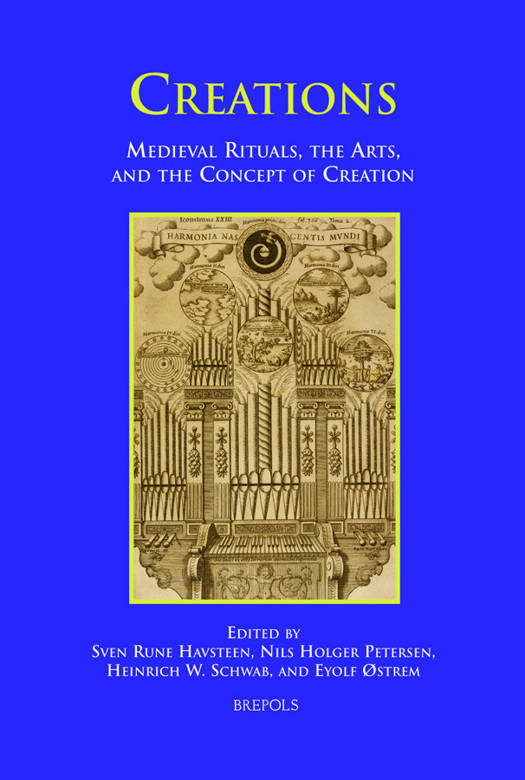
The meaning of the noun 'creation', and the verb 'to create', range from the traditional theological idea of God creating ex nihilo to a more recent sense of the process of artistic conception. This collection of thirteen essays, written by scholars of music, literature, the visual arts, and theology, explores the complicated relationship between medieval rituals and theology, and the development of an idea of human artistic creation, which came to the fore in the sixteenth century. The volume concentrates on the period from the Carolingians to the Counter-Reformation but also includes some twentieth-century musicians. Each essay is dedicated to a particular topic concerned with ritual or artistic beginnings, inventions, harmony and disharmony, as well as representations or celebrations of creation. Central themes include the interplay of the ideas of God as creator, of God acting and recreating in medieval liturgy, of God as artist - the deus artifex of the Pythagorean cosmology, which was occasionally referred to as recently as the early nineteenth century -and, finally, of the homo creator, a concept in which man reflected (and eventually replaced) God in his artistic creativity. This book therefore features new, significant, individual contributions from a range of scholarly disciplines, but, taken as a whole, it also constitutes a complex interdisciplinary study, with large-scale historical constructions.
Specificaties
Betrokkenen
- Auteur(s):
- Uitgeverij:
Inhoud
- Aantal bladzijden:
- 279
- Taal:
- Engels
- Reeks:
- Reeksnummer:
- nr. 2
Eigenschappen
- Productcode (EAN):
- 9782503522951
- Verschijningsdatum:
- 29/03/2007
- Uitvoering:
- Hardcover
- Formaat:
- Genaaid
- Afmetingen:
- 165 mm x 244 mm
- Gewicht:
- 635 g


Alleen bij Standaard Boekhandel
+ 74 punten op je klantenkaart van Standaard Boekhandel
Cadeau

AANGERADEN


Beoordelingen
We publiceren alleen reviews die voldoen aan de voorwaarden voor reviews. Bekijk onze voorwaarden voor reviews.