


- Afhalen na 1 uur in een winkel met voorraad
- Gratis thuislevering in België vanaf € 30
- Ruim aanbod met 7 miljoen producten
- Afhalen na 1 uur in een winkel met voorraad
- Gratis thuislevering in België vanaf € 30
- Ruim aanbod met 7 miljoen producten





€ 72,45
+ 144 punten
Uitvoering
Omschrijving
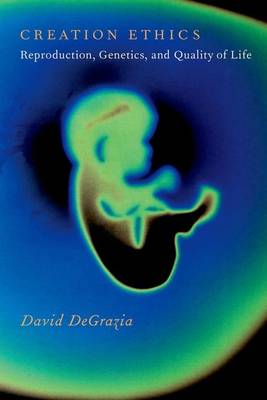
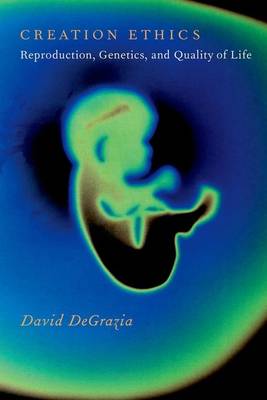
The ethics of creating -- or declining to create -- human beings has been addressed in several contexts: debates over abortion and embryo research; literature on "self-creation"; and discussions of procreative rights and responsibilities, genetic engineering, and future generations. Here, for the first time, is a sustained, scholarly analysis of all of these issues -- a discussion combining breadth of topics with philosophical depth, imagination with current scientific understanding, argumentative rigor with accessibility. The overarching aim of Creation Ethics is to illuminate a broad array of issues connected with reproduction and genetics, through the lens of moral philosophy.
With novel frameworks for understanding prenatal moral status and human identity, and exceptional fairness to those holding different views, David DeGrazia sheds new light on the ethics of abortion and embryo research, genetic enhancement and prenatal genetic interventions, procreation and parenting, and decisions that affect the quality of life of future generations. Along the way, he helpfully introduces personal identity theory and value theory as well as such complex topics as moral status, wrongful life, and the "nonidentity problem." The results include a subjective account of human well-being, a standard for responsible procreation and parenting, and a theoretical bridge between consequentialist and nonconsequentialist ethical theories. The upshot is a synoptic, mostly liberal vision of the ethics of creating human beings.
With novel frameworks for understanding prenatal moral status and human identity, and exceptional fairness to those holding different views, David DeGrazia sheds new light on the ethics of abortion and embryo research, genetic enhancement and prenatal genetic interventions, procreation and parenting, and decisions that affect the quality of life of future generations. Along the way, he helpfully introduces personal identity theory and value theory as well as such complex topics as moral status, wrongful life, and the "nonidentity problem." The results include a subjective account of human well-being, a standard for responsible procreation and parenting, and a theoretical bridge between consequentialist and nonconsequentialist ethical theories. The upshot is a synoptic, mostly liberal vision of the ethics of creating human beings.
Specificaties
Betrokkenen
- Auteur(s):
- Uitgeverij:
Inhoud
- Aantal bladzijden:
- 248
- Taal:
- Engels
Eigenschappen
- Productcode (EAN):
- 9780190232443
- Verschijningsdatum:
- 1/11/2014
- Uitvoering:
- Paperback
- Formaat:
- Trade paperback (VS)
- Afmetingen:
- 155 mm x 234 mm
- Gewicht:
- 362 g


Alleen bij Standaard Boekhandel
+ 144 punten op je klantenkaart van Standaard Boekhandel
Cadeau

AANGERADEN


Beoordelingen
We publiceren alleen reviews die voldoen aan de voorwaarden voor reviews. Bekijk onze voorwaarden voor reviews.