


- Afhalen na 1 uur in een winkel met voorraad
- Gratis thuislevering in België vanaf € 30
- Ruim aanbod met 7 miljoen producten
- Afhalen na 1 uur in een winkel met voorraad
- Gratis thuislevering in België vanaf € 30
- Ruim aanbod met 7 miljoen producten





€ 161,45
+ 322 punten
Uitvoering
Omschrijving
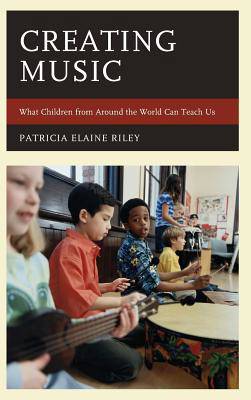
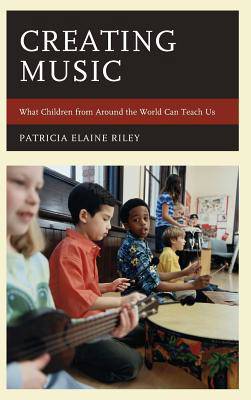
Children create music in individually unique ways, but also using common processes. Each creating process component stated in the United States' National Music Standards (imagine, plan and make, evaluate and refine, and present; NCCAS, 2014) is explored in this text using children's creations from China, India, Ireland, Mexico, and the United States as examples. What can the characteristics of music created by children from five diverse locations teach us about creating music? How do the sounds surrounding children in their schools, homes, and communities affect the music they create and what can be learned from this? How do children's similar creating processes inform how we teach music? These questions are investigated as the children's music compositions and improvisations are shared and examined. As this narrative unfolds, readers will become acquainted with the children, their original music, and what the children say about their music and its creation. What we learn from this exploration leads to teaching strategies, projects, lesson plans, and mentoring recommendations that will help music educators benefit from these particular children's creations.
Specificaties
Betrokkenen
- Auteur(s):
- Uitgeverij:
Inhoud
- Aantal bladzijden:
- 312
- Taal:
- Engels
- Reeks:
Eigenschappen
- Productcode (EAN):
- 9781475830163
- Verschijningsdatum:
- 8/01/2017
- Uitvoering:
- Hardcover
- Formaat:
- Genaaid
- Afmetingen:
- 155 mm x 231 mm
- Gewicht:
- 612 g


Alleen bij Standaard Boekhandel
+ 322 punten op je klantenkaart van Standaard Boekhandel
Cadeau

AANGERADEN


Beoordelingen
We publiceren alleen reviews die voldoen aan de voorwaarden voor reviews. Bekijk onze voorwaarden voor reviews.