



Bedankt voor het vertrouwen het afgelopen jaar! Om jou te bedanken bieden we GRATIS verzending (in België) aan op alles gedurende de hele maand januari.
- Afhalen na 1 uur in een winkel met voorraad
- In januari gratis thuislevering in België
- Ruim aanbod met 7 miljoen producten
Bedankt voor het vertrouwen het afgelopen jaar! Om jou te bedanken bieden we GRATIS verzending (in België) aan op alles gedurende de hele maand januari.
- Afhalen na 1 uur in een winkel met voorraad
- In januari gratis thuislevering in België
- Ruim aanbod met 7 miljoen producten





Omschrijving
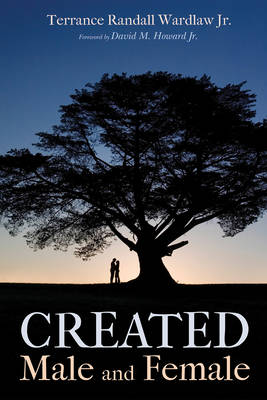
In a culture where gender neutrality is the ideal, why is it significant that we were created differently as male and female? As the ethical consequences of the gender debate in the last generation manifest themselves, this book explores biblical teaching in order to work toward a Christian perspective. This discussion traces the theme of creation as male and female through the canon from the Pentateuch to the epistles and demonstrates how Pauline interpretation flows from Genesis 1-3. The grounding of the distinction between male and female in Genesis 1 as the climax of creation suggests the ethics associated with creation as male and female abide universally and for all time. This book intends to present a comprehensive, yet reasonably concise, presentation of biblical teaching on creation as male and female without bogging down in the detailed disputes between complementarian and egalitarian writers. This discussion considers each passage within its literary context, and patristic writers from the first few centuries of the church function as a control on interpretation.
Specificaties
Betrokkenen
- Auteur(s):
- Uitgeverij:
Inhoud
- Aantal bladzijden:
- 90
- Taal:
- Engels
Eigenschappen
- Productcode (EAN):
- 9781725284647
- Verschijningsdatum:
- 19/01/2021
- Uitvoering:
- Paperback
- Formaat:
- Trade paperback (VS)
- Afmetingen:
- 140 mm x 216 mm
- Gewicht:
- 113 g


Alleen bij Standaard Boekhandel
+ 49 punten op je klantenkaart van Standaard Boekhandel
SOLDEN


Beoordelingen
We publiceren alleen reviews die voldoen aan de voorwaarden voor reviews. Bekijk onze voorwaarden voor reviews.