


- Afhalen na 1 uur in een winkel met voorraad
- Gratis thuislevering in België vanaf € 30
- Ruim aanbod met 7 miljoen producten
- Afhalen na 1 uur in een winkel met voorraad
- Gratis thuislevering in België vanaf € 30
- Ruim aanbod met 7 miljoen producten





€ 53,45
+ 106 punten
Eenvoudig bestellen
Veilig betalen


Gratis thuislevering vanaf € 30 (via bpost)
Gratis levering in je Standaard Boekhandel
Omschrijving
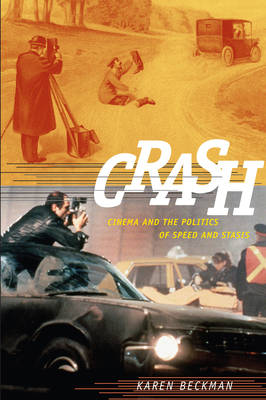
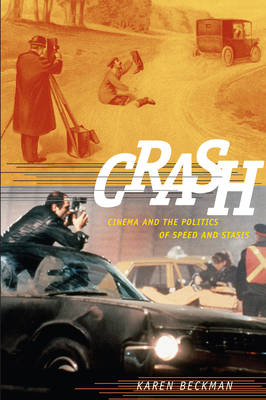
Artists, writers, and filmmakers from Andy Warhol and J. G. Ballard to Alejandro González Iñárritu and Ousmane Sembène have repeatedly used representations of immobilized and crashed cars to wrestle with the conundrums of modernity. In Crash, Karen Beckman argues that representations of the crash parallel the encounter of film with other media, and that these collisions between media offer useful ways to think about alterity, politics, and desire. Examining the significance of automobile collisions in film genres including the "cinema of attractions," slapstick comedies, and industrial-safety movies, Beckman reveals how the car crash gives visual form to fantasies and anxieties regarding speed and stasis, risk and safety, immunity and contamination, and impermeability and penetration. Her reflections on the crash as the traumatic, uncertain moment of inertia that comes in the wake of speed and confidence challenge the tendency in cinema studies to privilege movement above film's other qualities. Ultimately, Beckman suggests that film studies is a hybrid field that cannot apprehend its object of study without acknowledging the ways that cinema's technology binds it to capitalism's industrial systems and other media, technologies, and disciplines.
Specificaties
Betrokkenen
- Auteur(s):
- Uitgeverij:
Inhoud
- Aantal bladzijden:
- 320
- Taal:
- Engels
Eigenschappen
- Productcode (EAN):
- 9780822347262
- Verschijningsdatum:
- 3/08/2010
- Uitvoering:
- Paperback
- Formaat:
- Trade paperback (VS)
- Afmetingen:
- 155 mm x 231 mm
- Gewicht:
- 453 g


Alleen bij Standaard Boekhandel
+ 106 punten op je klantenkaart van Standaard Boekhandel
CADEAU

AANGERADEN


Beoordelingen
We publiceren alleen reviews die voldoen aan de voorwaarden voor reviews. Bekijk onze voorwaarden voor reviews.