


- Afhalen na 1 uur in een winkel met voorraad
- Gratis thuislevering in België vanaf € 30
- Ruim aanbod met 7 miljoen producten
- Afhalen na 1 uur in een winkel met voorraad
- Gratis thuislevering in België vanaf € 30
- Ruim aanbod met 7 miljoen producten





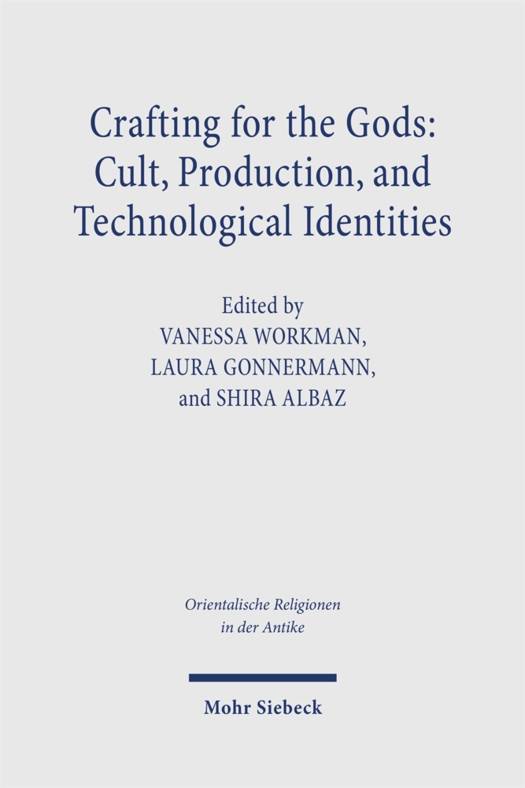
Crafting for the Gods: Cult, Production, and Technological Identities
Proceedings of the Minerva School Workshop, Israel, 2022. Research on Israel and Aram in Biblical Times X
€ 115,95
+ 231 punten
Eenvoudig bestellen
Veilig betalen


Gratis thuislevering vanaf € 30 (via bpost)
Gratis levering in je Standaard Boekhandel
Omschrijving
Cult and craft production are two central and deeply intertwined dimensions of ancient societies. Although often examined in isolation, their interaction offers crucial insight into how communities articulated social identities and constructed cultural meaning. Approaching cult and craft in tandem reveals the ways ritual practices and technological knowledge shaped one another, illuminating how objects were produced, circulated, and appropriated meaning within their broader social worlds. Studying this relationship, however, poses significant challenges. Both ritual activity and craft practice can be archaeologically elusive, leaving their intersections understudied or relegated to passing comment. The contributors to this volume address these gaps by examining cult and craft production as mutually influential spheres across the eastern Mediterranean, the Levant, Egypt, and beyond during the 2nd and 1st millennia BCE. By integrating archaeological and textual scholarship with theoretical perspectives, they reconsider how ritual and production were embedded within wider economic, social, and ideological systems. Moving beyond the restrictive paradigm of "sacred economies," the contributors highlight the deeply integrated nature of the production of goods and ritual practice, connections often obscured by time and disciplinary boundaries.
Specificaties
Betrokkenen
- Uitgeverij:
Inhoud
- Aantal bladzijden:
- 280
- Taal:
- Engels
- Reeks:
Eigenschappen
- Productcode (EAN):
- 9783162001528
- Verschijningsdatum:
- 30/06/2026
- Uitvoering:
- Hardcover
- Afmetingen:
- 170 mm x 240 mm


Alleen bij Standaard Boekhandel
+ 231 punten op je klantenkaart van Standaard Boekhandel
CADEAU

AANGERADEN


Beoordelingen
We publiceren alleen reviews die voldoen aan de voorwaarden voor reviews. Bekijk onze voorwaarden voor reviews.