


- Afhalen na 1 uur in een winkel met voorraad
- Gratis thuislevering in België vanaf € 30
- Ruim aanbod met 7 miljoen producten
- Afhalen na 1 uur in een winkel met voorraad
- Gratis thuislevering in België vanaf € 30
- Ruim aanbod met 7 miljoen producten





€ 39,42
+ 39 punten
Omschrijving
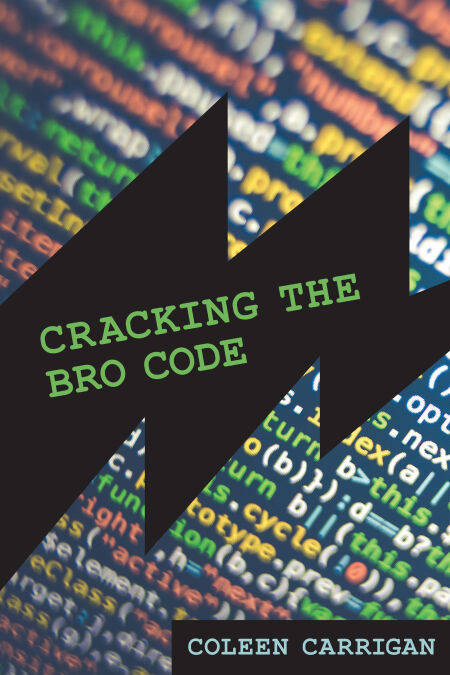
Why dominant racial and gender groups have preferential access to jobs in computing, and how feminist labor activism in computing culture can transform the field into a force that serves democracy and social justice.
Cracking the Bro Code is a bold ethnographic study of sexism and racism in contemporary computing cultures theorized through the analytical frame of the “Bro Code.” Drawing from feminist anthropology and STS, Coleen Carrigan shares in this book the direct experiences of women, nonbinary individuals, and people of color, including her own experiences in tech, to show that computing has a serious cultural problem. From senior leaders in the field to undergraduates in their first year of college, participants consistently report how sexism and harassment manifest themselves in computing via values, norms, behaviors, evaluations, and policies. While other STEM fields are making strides in recruiting, retaining, and respecting women workers, computing fails year after year to do so.
Carrigan connects altruism, computing, race, and gender to advance the theory that social purpose is an important factor to consider in working toward gender equity in computing. Further, she argues that transforming computing culture from hostile to welcoming has the potential to change not only who produces computing technology but also the core values of its production, with possible impacts on social applications. Cracking the Bro Code explains how digital bosses have come to operate imperiously in our society, dodging taxes and oversight, and how some programmers who look like them are enchanted with a sense of divine right. In the context of computing’s powerful influence on the world, Carrigan speculates on how the cultural mechanisms sustaining sexism, harassment, and technocracy in computing workspaces impact both those harmed by such violence as well as society at large.
Cracking the Bro Code is a bold ethnographic study of sexism and racism in contemporary computing cultures theorized through the analytical frame of the “Bro Code.” Drawing from feminist anthropology and STS, Coleen Carrigan shares in this book the direct experiences of women, nonbinary individuals, and people of color, including her own experiences in tech, to show that computing has a serious cultural problem. From senior leaders in the field to undergraduates in their first year of college, participants consistently report how sexism and harassment manifest themselves in computing via values, norms, behaviors, evaluations, and policies. While other STEM fields are making strides in recruiting, retaining, and respecting women workers, computing fails year after year to do so.
Carrigan connects altruism, computing, race, and gender to advance the theory that social purpose is an important factor to consider in working toward gender equity in computing. Further, she argues that transforming computing culture from hostile to welcoming has the potential to change not only who produces computing technology but also the core values of its production, with possible impacts on social applications. Cracking the Bro Code explains how digital bosses have come to operate imperiously in our society, dodging taxes and oversight, and how some programmers who look like them are enchanted with a sense of divine right. In the context of computing’s powerful influence on the world, Carrigan speculates on how the cultural mechanisms sustaining sexism, harassment, and technocracy in computing workspaces impact both those harmed by such violence as well as society at large.
Specificaties
Betrokkenen
- Auteur(s):
- Uitgeverij:
Inhoud
- Aantal bladzijden:
- 206
- Taal:
- Engels
- Reeks:
Eigenschappen
- Productcode (EAN):
- 9780262377164
- Verschijningsdatum:
- 15/04/2024
- Uitvoering:
- E-book
- Beveiligd met:
- Adobe DRM
- Formaat:
- ePub


Alleen bij Standaard Boekhandel
+ 39 punten op je klantenkaart van Standaard Boekhandel
Cadeau

AANGERADEN


Beoordelingen
We publiceren alleen reviews die voldoen aan de voorwaarden voor reviews. Bekijk onze voorwaarden voor reviews.