


- Afhalen na 1 uur in een winkel met voorraad
- Gratis thuislevering in België vanaf € 30
- Ruim aanbod met 7 miljoen producten
- Afhalen na 1 uur in een winkel met voorraad
- Gratis thuislevering in België vanaf € 30
- Ruim aanbod met 7 miljoen producten





Omschrijving
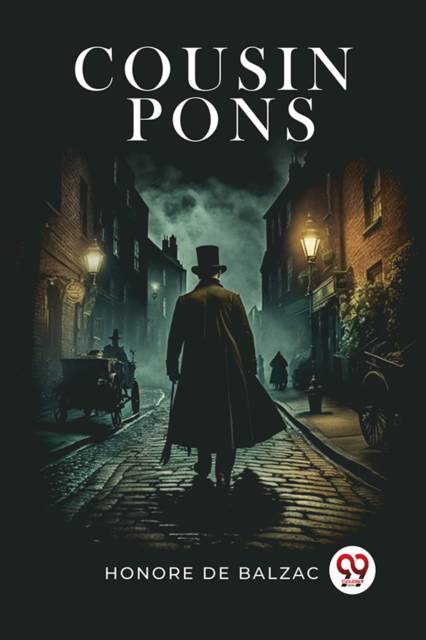
"Honore de Balzac Cousin Pons" is a riveting investigation of social and monetary issues in mid-nineteenth-century Parisian society. The work is part of Balzac's massive series "La Comedie Humaine," and it provides a detailed depiction of the intricacies of human relationships and the quest of money. Sylvain Pons, the key guy or woman, is an aging and eccentric musician residing in Paris. Pons will become the main point of a story that deftly combines aspects of comedy and tragedy. Pons, as the wealthy and calculating Baron Schmucke's cousin, finds himself enmeshed in a web of familial dynamics, financial intrigue, and cultural expectations. The story develops against the backdrop of a rapidly changing Paris, reflecting Balzac's keen observations of the social, financial, and cultural changes of the day. Balzac dives into the deep ties of a handful of the individuals, demonstrating the depths to which people would go in pursuit of fortune, social standing, and personal ambition. "Cousin Pons" is renowned for Balzac's superb characterizations and ability to probe the human condition. The work delves into themes of avarice, betrayal, and the importance of society expectations.
Specificaties
Betrokkenen
- Auteur(s):
- Uitgeverij:
Inhoud
- Aantal bladzijden:
- 260
- Taal:
- Engels
Eigenschappen
- Productcode (EAN):
- 9789361155444
- Verschijningsdatum:
- 1/02/2024
- Uitvoering:
- Paperback
- Formaat:
- Trade paperback (VS)
- Afmetingen:
- 140 mm x 216 mm
- Gewicht:
- 331 g



Alleen bij Standaard Boekhandel
+ 59 punten op je klantenkaart van Standaard Boekhandel
Cadeau

AANGERADEN


Beoordelingen
We publiceren alleen reviews die voldoen aan de voorwaarden voor reviews. Bekijk onze voorwaarden voor reviews.