


- Afhalen na 1 uur in een winkel met voorraad
- Gratis thuislevering in België vanaf € 30
- Ruim aanbod met 7 miljoen producten
- Afhalen na 1 uur in een winkel met voorraad
- Gratis thuislevering in België vanaf € 30
- Ruim aanbod met 7 miljoen producten





€ 90,10
+ 180 punten
Omschrijving
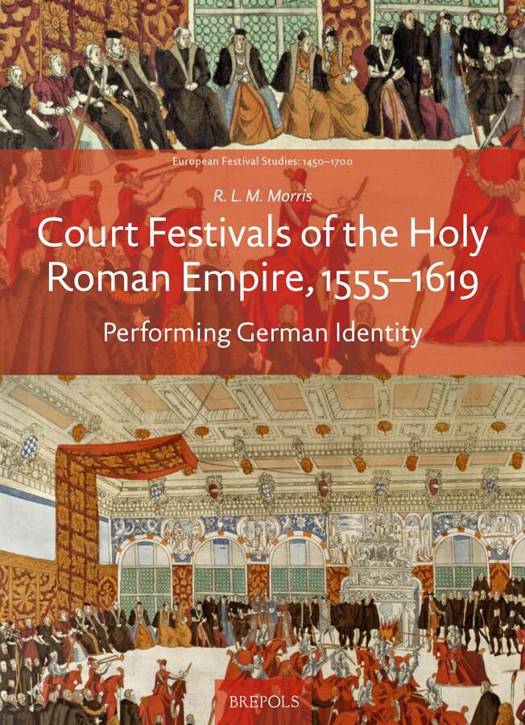
This study represents a new approach to the analysis of early modern court festivals, setting the question of identity at its heart. It explores identity as it was portrayed, constructed, and upheld through court festivals within the Holy Roman Empire of the German Nation in the period between the Peace of Augsburg in 1555 and the coronation of Friedrich V, Elector Palatine, as King of Bohemia in 1619. Structured thematically, this detailed analysis touches on core themes of early modern European history including state formation, princely courts, gender, religion, science and the natural world, and cultural encounters. In doing so, it draws on, and speaks to, scholarly literature not only from different historical sub-disciplines but also from sociology and anthropology. Ultimately, Morris argues that these court festivals provided a flexible, albeit contested, rhetoric of identity, grounded in the performance of humanist virtue. Through the performed, material, and literary rhetoric of court festivals, the concept of nobility through virtue was reworked, refined, and given a new vocabulary within the German context. This was inextricably linked with politics in light of the reforms made to the Holy Roman Empire at the end of the fifteenth century, the confessional divisions of the sixteenth century, and the mounting tensions of the early seventeenth century which were to culminate in the Thirty Years War.
Specificaties
Betrokkenen
- Auteur(s):
- Uitgeverij:
Inhoud
- Aantal bladzijden:
- 267
- Taal:
- Engels
- Reeks:
Eigenschappen
- Productcode (EAN):
- 9782503583297
- Verschijningsdatum:
- 29/10/2020
- Uitvoering:
- Hardcover
- Formaat:
- Genaaid
- Gewicht:
- 906 g



Alleen bij Standaard Boekhandel
+ 180 punten op je klantenkaart van Standaard Boekhandel
Cadeau

AANGERADEN


Beoordelingen
We publiceren alleen reviews die voldoen aan de voorwaarden voor reviews. Bekijk onze voorwaarden voor reviews.