


- Afhalen na 1 uur in een winkel met voorraad
- Gratis thuislevering in België vanaf € 30
- Ruim aanbod met 7 miljoen producten
- Afhalen na 1 uur in een winkel met voorraad
- Gratis thuislevering in België vanaf € 30
- Ruim aanbod met 7 miljoen producten




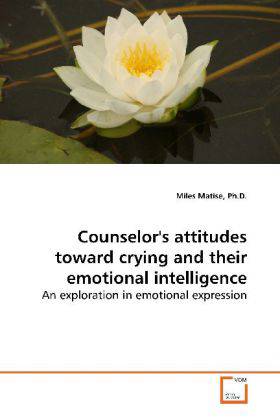
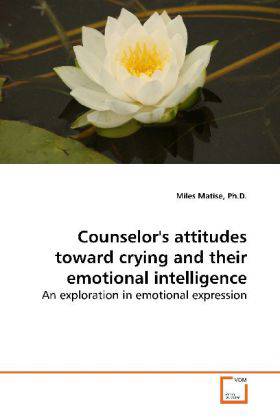
Counselor's attitudes toward crying and their emotional intelligence
An exploration in emotional expression
Miles Matise
Paperback | Engels
€ 86,45
+ 172 punten
Omschrijving
Tears have been described as a language that transcends words. Crying is a response that all people have in common and is one of the most powerful demonstrations of emotional expression. Individuals in helping professions such as nurses, psychologists, and counselors may be vulnerable to a wide variety of emotionally charged situations. Counselor's encounter a wide variety of emotionally charged situations which might be uncomfortable and unpleasant, and as a result, influence his or her effectiveness during a counseling session. The premise of this book is in part to debunk the myth that tears and crying in general are a sign of weakness and always inappropriate. The professional helper, when tearing up out of a genuine empathic response, can be a legitimate therapeutic response and form of communicating through emotional expression to strengthen the therapeutic alliance.
Specificaties
Betrokkenen
- Auteur(s):
- Uitgeverij:
Inhoud
- Aantal bladzijden:
- 152
- Taal:
- Engels
Eigenschappen
- Productcode (EAN):
- 9783639163636
- Verschijningsdatum:
- 10/06/2009
- Uitvoering:
- Paperback
- Formaat:
- Trade paperback (VS)
- Afmetingen:
- 152 mm x 229 mm
- Gewicht:
- 231 g


Alleen bij Standaard Boekhandel
+ 172 punten op je klantenkaart van Standaard Boekhandel
CADEAU


Beoordelingen
We publiceren alleen reviews die voldoen aan de voorwaarden voor reviews. Bekijk onze voorwaarden voor reviews.