


- Afhalen na 1 uur in een winkel met voorraad
- Gratis thuislevering in België vanaf € 30
- Ruim aanbod met 7 miljoen producten
- Afhalen na 1 uur in een winkel met voorraad
- Gratis thuislevering in België vanaf € 30
- Ruim aanbod met 7 miljoen producten





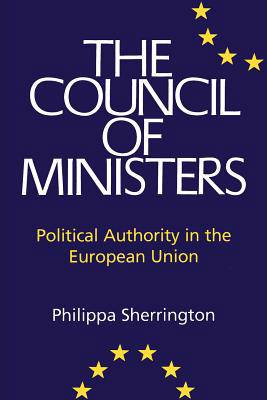
Council of Ministers
Political Authority in the European Union
Philippa Sherrington
Paperback | Engels
€ 135,45
+ 270 punten
Eenvoudig bestellen
Veilig betalen


Gratis thuislevering vanaf € 30 (via bpost)
Gratis levering in je Standaard Boekhandel
Omschrijving
Provides an analysis of the most crucial of European Union institutions, making a contribution to the debate on power and legitimacy in the European Union. Despite the difficulties in investigating an institution which prefers to conduct its business behind closed doors, Philippa Sherrington was able to attend sessions of the Council of Ministers and conduct detailed interviews with key European officials of the main institutions, and with national ministers. She is in a position to examine the internal operation of the Council, its relationship with other European Union institutions and the external factors affecting its decision-making role. She also offers a new methodological approach. Arguing that previous studies have been deficient in her analysis of the council's internal operation due to their reliance on existing methods of analyzing EU insitutional power, her approach draws on both policy analysis and negotiation theory. The book provides a detailed account of the way in which business is really conducted in this still most secret of institutions, demonstrating that the Council of Ministers remains the ultimate decision-maker in the European Union.
Specificaties
Betrokkenen
- Auteur(s):
- Uitgeverij:
Inhoud
- Aantal bladzijden:
- 208
- Taal:
- Engels
Eigenschappen
- Productcode (EAN):
- 9781855677210
- Verschijningsdatum:
- 1/03/2000
- Uitvoering:
- Paperback
- Formaat:
- Trade paperback (VS)
- Afmetingen:
- 151 mm x 238 mm
- Gewicht:
- 444 g


Alleen bij Standaard Boekhandel
+ 270 punten op je klantenkaart van Standaard Boekhandel
CADEAU

AANGERADEN


Beoordelingen
We publiceren alleen reviews die voldoen aan de voorwaarden voor reviews. Bekijk onze voorwaarden voor reviews.