


- Afhalen na 1 uur in een winkel met voorraad
- Gratis thuislevering in België vanaf € 30
- Ruim aanbod met 7 miljoen producten
- Afhalen na 1 uur in een winkel met voorraad
- Gratis thuislevering in België vanaf € 30
- Ruim aanbod met 7 miljoen producten





€ 31,45
+ 62 punten
Uitvoering
Eenvoudig bestellen
Veilig betalen


Gratis thuislevering vanaf € 30 (via bpost)
Gratis levering in je Standaard Boekhandel
Omschrijving
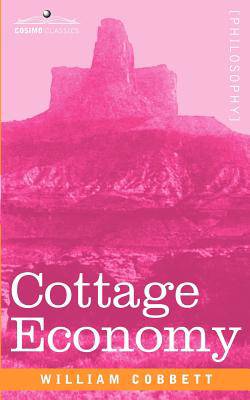
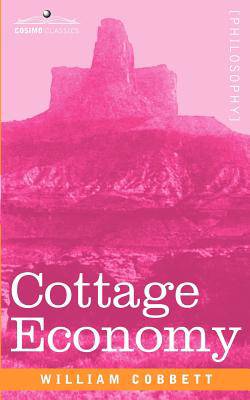
A son of humble circumstance (his father was an innkeeper), a champion of the working class, and an early anti-corporate activist, William Cobbett was most vociferous in his ideas about what makes for a happy and productive peasant. In this 1821 classic of self-reliance and the efficient usage and management of the small farm, Corbett shares his instructions and philosophies regarding . the brewing of beer (and why the notorious "tea" is not an acceptable substitute) . the making of bread (and why the "modern custom of using potatoes" to serve the same dietary purpose is deplorable) . the keeping of cows, pigs, bees, geese, and other useful creatures . the growing of straw for making hats and bonnets . the building of an ice house . and much more. British journalist and radical WILLIAM COBBETT (1762-1835) published the weekly newsletter Political Register and is also the author of Advice to Young Men (1829), The Progress of a Ploughboy to a Seat in Parliament (1830), and Rural Rides (1830).
Specificaties
Betrokkenen
- Auteur(s):
- Uitgeverij:
Inhoud
- Aantal bladzijden:
- 204
- Taal:
- Engels
Eigenschappen
- Productcode (EAN):
- 9781602068094
- Verschijningsdatum:
- 15/10/2007
- Uitvoering:
- Paperback
- Formaat:
- Trade paperback (VS)
- Afmetingen:
- 127 mm x 203 mm
- Gewicht:
- 226 g


Alleen bij Standaard Boekhandel
+ 62 punten op je klantenkaart van Standaard Boekhandel
CADEAU

AANGERADEN


Beoordelingen
We publiceren alleen reviews die voldoen aan de voorwaarden voor reviews. Bekijk onze voorwaarden voor reviews.