



- Afhalen na 1 uur in een winkel met voorraad
- In januari gratis thuislevering in België
- Ruim aanbod met 7 miljoen producten
- Afhalen na 1 uur in een winkel met voorraad
- In januari gratis thuislevering in België
- Ruim aanbod met 7 miljoen producten





€ 20,95
+ 41 punten
Omschrijving
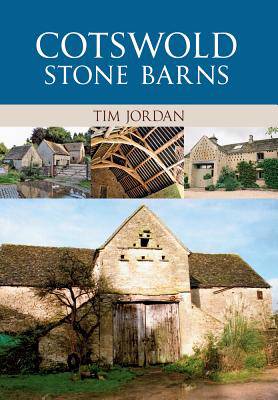
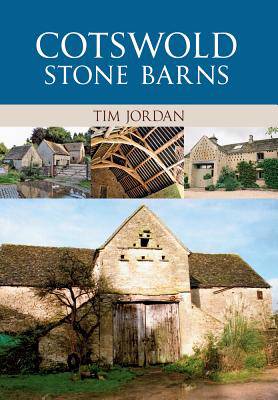
Barns have been part of the landscape since the Middle Ages and several superb examples dating from the thirteenth, fourteenth and fifteenth centuries can still be found throughout the Cotswolds. Most of the present-day barns, however, were built between 1600 and 1900, including some very fine examples, which is to say nothing of the many hundreds of small field barns high on a wold or down in a sheltered valley. These relatively simple structures provide us with clues about a number of aspects of the region's rural history and traditions, and are an important part of our agricultural and vernacular heritage. They frequently exhibit unusual features that are often overlooked, especially since the majority of stone barns are now redundant, incompatible with twenty-first-century machinery and intensive farming. This heavily illustrated volume traces the development of stone barns as farming practices changed to cope with the demands of growing populations and increased mechanisation. In focusing on features that may be unique to an area or craftsman, or even to an individual barn, Cotswold Stone Barns provides an important record of these structures at a time when many are disappearing or being changed irrevocably - whether it is in the service of the community, business or housing.
Specificaties
Betrokkenen
- Auteur(s):
- Uitgeverij:
Inhoud
- Aantal bladzijden:
- 96
- Taal:
- Engels
Eigenschappen
- Productcode (EAN):
- 9781445601816
- Verschijningsdatum:
- 15/09/2011
- Uitvoering:
- Paperback
- Formaat:
- Trade paperback (VS)
- Afmetingen:
- 165 mm x 234 mm
- Gewicht:
- 307 g


Alleen bij Standaard Boekhandel
+ 41 punten op je klantenkaart van Standaard Boekhandel
Cadeau

AANGERADEN


Beoordelingen
We publiceren alleen reviews die voldoen aan de voorwaarden voor reviews. Bekijk onze voorwaarden voor reviews.