


- Afhalen na 1 uur in een winkel met voorraad
- Gratis thuislevering in België vanaf € 30
- Ruim aanbod met 7 miljoen producten
- Afhalen na 1 uur in een winkel met voorraad
- Gratis thuislevering in België vanaf € 30
- Ruim aanbod met 7 miljoen producten




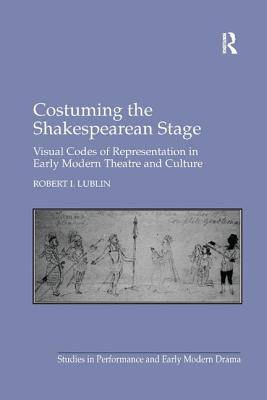
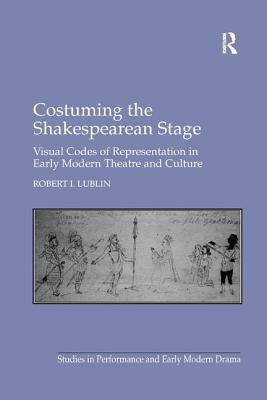
Costuming the Shakespearean Stage
Visual Codes of Representation in Early Modern Theatre and Culture
Robert I Lublin
Paperback | Engels
€ 112,95
+ 225 punten
Uitvoering
Omschrijving
What was worn on the Shakespearean stage and more importantly, how were articles of apparel understood when seen by contemporary audiences? Considering royal proclamations, religious writings, paintings, woodcuts, plays, historical accounts, sermons and legal documents of early modern England, Robert Lublin investigates what Shakespearean actors actually wore in production as well as what cultural information was conveyed by those costumes.
Specificaties
Betrokkenen
- Auteur(s):
- Uitgeverij:
Inhoud
- Aantal bladzijden:
- 216
- Taal:
- Engels
Eigenschappen
- Productcode (EAN):
- 9781138259812
- Verschijningsdatum:
- 11/11/2016
- Uitvoering:
- Paperback
- Formaat:
- Trade paperback (VS)
- Afmetingen:
- 156 mm x 234 mm
- Gewicht:
- 308 g


Alleen bij Standaard Boekhandel
+ 225 punten op je klantenkaart van Standaard Boekhandel
Cadeau

AANGERADEN


Beoordelingen
We publiceren alleen reviews die voldoen aan de voorwaarden voor reviews. Bekijk onze voorwaarden voor reviews.