

- Afhalen na 1 uur in een winkel met voorraad
- Gratis thuislevering in België vanaf € 30
- Ruim aanbod met 7 miljoen producten
- Afhalen na 1 uur in een winkel met voorraad
- Gratis thuislevering in België vanaf € 30
- Ruim aanbod met 7 miljoen producten





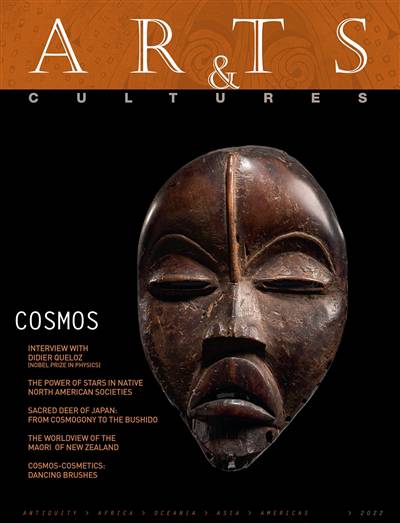
Cosmos (en anglais)
Laurence Mattet, Michèle Cros, Denise Ramseyer, Hermione Waterfield, Philippe Veuve, Christian Coiffier, Ludovic Coupaye, Guigone Camus, Kim Akermann, Maia Nuku, Bérénice Geoffrey Schneiter, Suzanne Preston Blier, Gisèle Gueller, Jacques Chamay, Jean-Loïc Le Quellec, Jean-Marie Hosatte, Pascal Dibie, Steve Bourget, Marie Mauzé, Nigel Barley
Paperback | Frans
€ 30,00
+ 60 punten
Omschrijving
The final sanctuary, the supreme consolation, is to know that we belong to the cosmos, that we are part of the order of things. Gustave Flaubert
We are always amazed by the images of galaxies that space exploration captures, sent to us via satellite or telescope, allowing us to dream. Among the many things we admire in these pictures are the planet's beauty, the delicacy of its atmosphere and its fragility within the universe. Today we are able to see, thanks to the superpowerful James Webb Space Telescope, spectacular images of galaxies formed more than 13 billion years ago.
We humans have always been fascinated by the cosmos and have always wondered about our place in it. Our ancestors tried to decrypt its mysteries, reproducing their ideas, and some of these have survived to this day. Representations of these perceptions vary according to the era, geographical area, culture and cosmological knowledge of each civilisation. They can take different forms, such as diagrams, drawings, stories, maps, myths, and scientific or religious theories. Every culture has a fascinating cosmogony connected to a wide diversity of myths.
The word cosmos (from the Greek kosmos) literally means order and adornment ; cosmetic has the same root. All cosmogonies share an attempt to comprehend and represent order and, ultimately, beauty. The origin of the world is often the result of conflict between opposing forces: order and chaos, beauty and ugliness, light and darkness.
In the pages that follow, you will discover articles written by archaeologists, anthropologists, art historians and journalists, who each reveal a singular understanding of the universe, present and past, among certain populations across the world.
We can only ever catch glimpses of the heavens, and likewise this issue of Arts & Cultures presents just a small portion of how some of the world see, or have seen, the skies that are with us all.
Editorial by Laurence Mattet
We are always amazed by the images of galaxies that space exploration captures, sent to us via satellite or telescope, allowing us to dream. Among the many things we admire in these pictures are the planet's beauty, the delicacy of its atmosphere and its fragility within the universe. Today we are able to see, thanks to the superpowerful James Webb Space Telescope, spectacular images of galaxies formed more than 13 billion years ago.
We humans have always been fascinated by the cosmos and have always wondered about our place in it. Our ancestors tried to decrypt its mysteries, reproducing their ideas, and some of these have survived to this day. Representations of these perceptions vary according to the era, geographical area, culture and cosmological knowledge of each civilisation. They can take different forms, such as diagrams, drawings, stories, maps, myths, and scientific or religious theories. Every culture has a fascinating cosmogony connected to a wide diversity of myths.
The word cosmos (from the Greek kosmos) literally means order and adornment ; cosmetic has the same root. All cosmogonies share an attempt to comprehend and represent order and, ultimately, beauty. The origin of the world is often the result of conflict between opposing forces: order and chaos, beauty and ugliness, light and darkness.
In the pages that follow, you will discover articles written by archaeologists, anthropologists, art historians and journalists, who each reveal a singular understanding of the universe, present and past, among certain populations across the world.
We can only ever catch glimpses of the heavens, and likewise this issue of Arts & Cultures presents just a small portion of how some of the world see, or have seen, the skies that are with us all.
Editorial by Laurence Mattet
Specificaties
Betrokkenen
- Auteur(s):
Laurence MattetMichèle CrosDenise RamseyerHermione WaterfieldPhilippe VeuveChristian CoiffierLudovic CoupayeGuigone CamusKim AkermannMaia NukuBérénice Geoffrey SchneiterSuzanne Preston BlierGisèle GuellerJacques ChamayJean-Loïc Le QuellecJean-Marie HosattePascal DibieSteve BourgetMarie MauzéNigel Barley
- Uitgeverij:
Inhoud
- Aantal bladzijden:
- 264
- Taal:
- Frans
Eigenschappen
- Productcode (EAN):
- 9782382031018
- Verschijningsdatum:
- 21/09/2022
- Uitvoering:
- Paperback
- Afmetingen:
- 230 mm x 300 mm
- Gewicht:
- 1266 g


Alleen bij Standaard Boekhandel
+ 60 punten op je klantenkaart van Standaard Boekhandel

Beoordelingen
We publiceren alleen reviews die voldoen aan de voorwaarden voor reviews. Bekijk onze voorwaarden voor reviews.