


- Afhalen na 1 uur in een winkel met voorraad
- Gratis thuislevering in België vanaf € 30
- Ruim aanbod met 7 miljoen producten
- Afhalen na 1 uur in een winkel met voorraad
- Gratis thuislevering in België vanaf € 30
- Ruim aanbod met 7 miljoen producten





€ 209,45
+ 418 punten
Uitvoering
Omschrijving
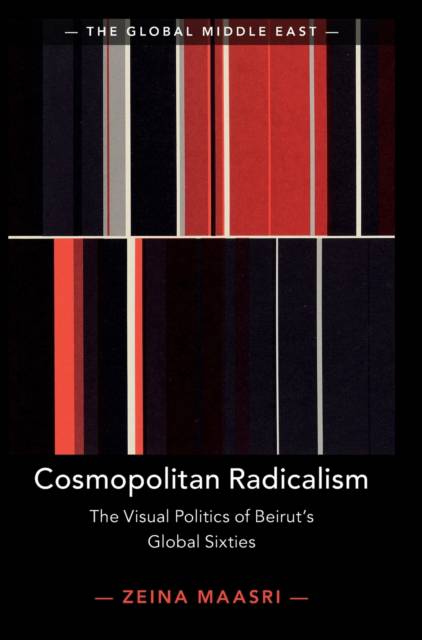
Exploring the intersections of visual culture, design and politics in Beirut from the late 1950s to the mid-1970s, this compelling interdisciplinary study critically examines a global conjuncture in Lebanon's history, marked by anticolonial struggle and complicated by a Cold War order. Against a celebratory reminiscence of the 'golden years', Beirut's long 1960s is conceived of as a liminal juncture, an anxious time and space when the city held out promises at once politically radical and radically cosmopolitan. Zeina Maasri examines the transnational circuits that animated Arab modernist pursuits, shedding light on key cultural transformations that saw Beirut develop as a Mediterranean site of tourism and leisure, a nexus between modern art and pan-Arab publishing and, through the rise of the Palestinian Resistance, a node in revolutionary anti-imperialism. Drawing on uncharted archives of printed media this book expands the scope of historical analysis of the postcolonial Arab East.
Specificaties
Betrokkenen
- Auteur(s):
- Uitgeverij:
Inhoud
- Aantal bladzijden:
- 342
- Taal:
- Engels
- Reeks:
- Reeksnummer:
- nr. 13
Eigenschappen
- Productcode (EAN):
- 9781108487719
- Verschijningsdatum:
- 6/08/2020
- Uitvoering:
- Hardcover
- Formaat:
- Genaaid
- Afmetingen:
- 177 mm x 248 mm
- Gewicht:
- 816 g


Alleen bij Standaard Boekhandel
+ 418 punten op je klantenkaart van Standaard Boekhandel
Cadeau

AANGERADEN


Beoordelingen
We publiceren alleen reviews die voldoen aan de voorwaarden voor reviews. Bekijk onze voorwaarden voor reviews.