



Bedankt voor het vertrouwen het afgelopen jaar! Om jou te bedanken bieden we GRATIS verzending (in België) aan op alles gedurende de hele maand januari.
- Afhalen na 1 uur in een winkel met voorraad
- In januari gratis thuislevering in België
- Ruim aanbod met 7 miljoen producten
Bedankt voor het vertrouwen het afgelopen jaar! Om jou te bedanken bieden we GRATIS verzending (in België) aan op alles gedurende de hele maand januari.
- Afhalen na 1 uur in een winkel met voorraad
- In januari gratis thuislevering in België
- Ruim aanbod met 7 miljoen producten





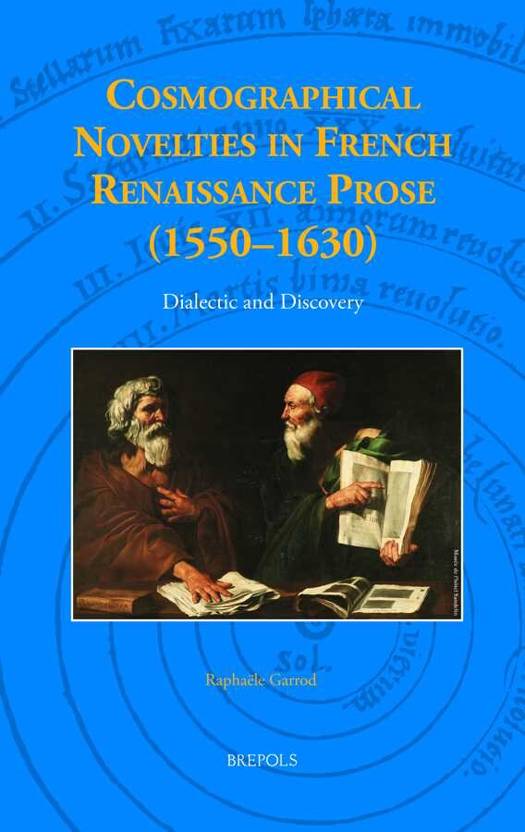
Cosmographical Novelties in French Renaissance Prose (1550–1630)
Dialectic and Discovery
Raphaële Garrod
Hardcover | Frans
€ 127,20
+ 254 punten
Omschrijving
Contemporary historiography holds that it was the practices and technologies underpinning both the Great Voyages and the 'New Science', as opposed to traditional book learning, which led to the major epistemic breakthroughs of early modernity. This study, however, returns to the importance of book-learning by exploring how cosmological and cosmographical 'novelties' were explained and presented in Renaissance texts, and discloses the ways in which the reports presented by sailors, astronomers, and scientists became not only credible but also deeply disturbing for scholars, preachers, and educated laymen in sixteenth- and seventeenth-century France. It is argued here that dialectic--the art of argumentation and reasoning--played a crucial role in articulating and popularizing new learning about the cosmos by providing the argumentative toolkit needed to define, discard, and authorize novelties. The debates that shaped them were not confined to learned circles; rather, they reached a wider audience via early modern vernacular genres such as the essay. Focusing both on major figures such as Montaigne or Descartes, as well as on now-forgotten popularizers such as Belleforest and Binet, this book describes the deployment of dialectic as a means of articulating and disseminating, but also of containing, the disturbance generated by cosmological and cosmographical novelties in Renaissance France, whether for the lay reader in Court or Parliament, for the parishioner at Church, or for the student in the classroom.
Specificaties
Betrokkenen
- Auteur(s):
- Uitgeverij:
Inhoud
- Aantal bladzijden:
- 389
- Taal:
- Frans
Eigenschappen
- Productcode (EAN):
- 9782503550459
- Verschijningsdatum:
- 11/03/2016
- Uitvoering:
- Hardcover
- Formaat:
- Genaaid
- Afmetingen:
- 163 mm x 239 mm
- Gewicht:
- 861 g


Alleen bij Standaard Boekhandel
+ 254 punten op je klantenkaart van Standaard Boekhandel
SOLDEN


Beoordelingen
We publiceren alleen reviews die voldoen aan de voorwaarden voor reviews. Bekijk onze voorwaarden voor reviews.