



- Afhalen na 1 uur in een winkel met voorraad
- In januari gratis thuislevering in België
- Ruim aanbod met 7 miljoen producten
- Afhalen na 1 uur in een winkel met voorraad
- In januari gratis thuislevering in België
- Ruim aanbod met 7 miljoen producten





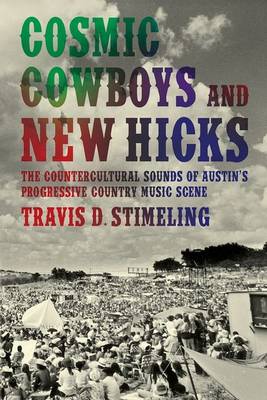
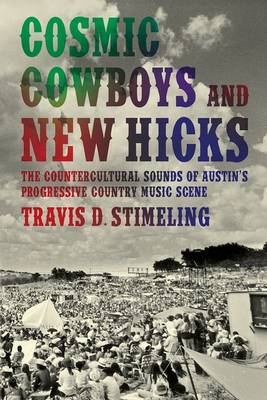
Cosmic Cowboys and New Hicks
The Countercultural Sounds of Austin's Progressive Country Music Scene
Travis D Stimeling
Paperback | Engels
€ 72,45
+ 144 punten
Omschrijving
Country music of late 1960s and early 1970s was a powerful symbol of staunch conservative resistance to the flowering hippie counterculture. But in 1972, the city of Austin, Texas became host to a growing community of musicians, entrepreneurs, journalists, and fans who saw country music as a part of their collective heritage and sought to reclaim it for their own progressive scene. These children of the Cold War, post-World War II suburban migration, and the Baby Boom escaped the socially conservative world their parents had created, to instead create for themselves an idyllic rural Texan utopia. Progressive country music--a hybrid of country music and rock--played out the contradictions at work among the residents of the growing Austin community: at once firmly grounded in the conservative Texan culture in which they had been raised and profoundly affected by the current hippie counterculture.
Specificaties
Betrokkenen
- Auteur(s):
- Uitgeverij:
Inhoud
- Aantal bladzijden:
- 194
- Taal:
- Engels
Eigenschappen
- Productcode (EAN):
- 9780190610357
- Verschijningsdatum:
- 1/04/2016
- Uitvoering:
- Paperback
- Formaat:
- Trade paperback (VS)
- Afmetingen:
- 155 mm x 231 mm
- Gewicht:
- 299 g


Alleen bij Standaard Boekhandel
+ 144 punten op je klantenkaart van Standaard Boekhandel
Cadeau

AANGERADEN


Beoordelingen
We publiceren alleen reviews die voldoen aan de voorwaarden voor reviews. Bekijk onze voorwaarden voor reviews.