


- Afhalen na 1 uur in een winkel met voorraad
- Gratis thuislevering in België vanaf € 30
- Ruim aanbod met 7 miljoen producten
- Afhalen na 1 uur in een winkel met voorraad
- Gratis thuislevering in België vanaf € 30
- Ruim aanbod met 7 miljoen producten





€ 151,95
+ 303 punten
Omschrijving
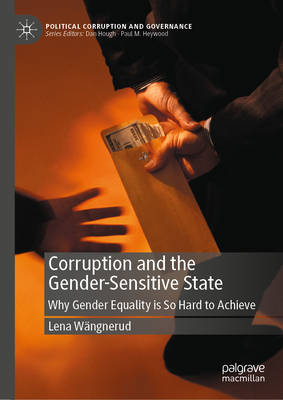
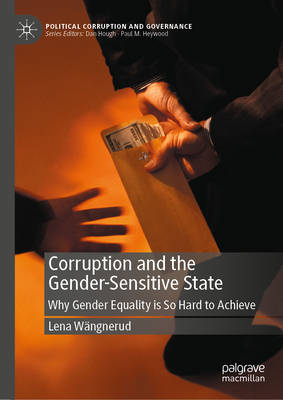
This book examines the link between gender equality and corruption in Europe. It argues that corruption is a central element in hampering gender equality development, since in corrupt contexts women are often locked out of positions of power and have fewer opportunities to influence the will of the state. Furthermore, in corrupt contexts, resources intended for the public good are diverted to serve private interests, thereby depriving the state of opportunities to enforce progressive societal change.
In addition to developing a new framework for the study of gender equality development that integrates the role played by corruption, the book also launches the concept of gender-sensitive state power, a notion based on progressive legislation and budget priorities that strengthen women's self-determination, combined with mechanisms that make states stable and ensure that resources do not leak in ways that compromise women's room to manoeuvre in society.
This important book will appeal to all those interested in gender studies, corruption studies, and politics.
Specificaties
Betrokkenen
- Auteur(s):
- Uitgeverij:
Inhoud
- Aantal bladzijden:
- 348
- Taal:
- Engels
- Reeks:
Eigenschappen
- Productcode (EAN):
- 9783032188373
- Verschijningsdatum:
- 19/05/2026
- Uitvoering:
- Hardcover
- Formaat:
- Genaaid
- Afmetingen:
- 148 mm x 210 mm


Alleen bij Standaard Boekhandel
+ 303 punten op je klantenkaart van Standaard Boekhandel
Cadeau

AANGERADEN


Beoordelingen
We publiceren alleen reviews die voldoen aan de voorwaarden voor reviews. Bekijk onze voorwaarden voor reviews.