


- Afhalen na 1 uur in een winkel met voorraad
- Gratis thuislevering in België vanaf € 30
- Ruim aanbod met 7 miljoen producten
- Afhalen na 1 uur in een winkel met voorraad
- Gratis thuislevering in België vanaf € 30
- Ruim aanbod met 7 miljoen producten





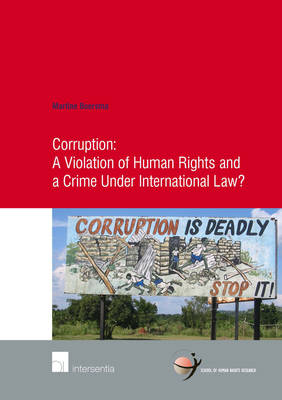
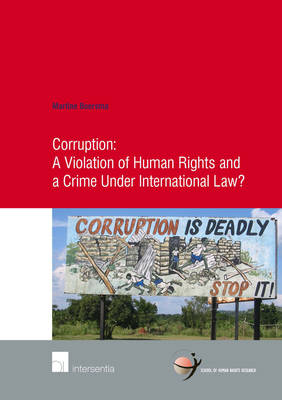
Corruption: A Violation of Human Rights and a Crime Under International Law?
Volume 56
Martine Boersma
€ 114,00
+ 228 punten
Omschrijving
Corruption currently receives an increasing amount of attention from scholars and practitioners in various disciplines, including law. While the phenomenon is as old as mankind, the last fifteen years saw the rise of many anti-corruption treaties, aimed at criminalisation, prevention and cooperation. At the same time, there seems to be relatively little work done on corruption in the field of human rights law or international criminal law. This book argues that these areas of law can certainly contribute to fighting corruption, by giving a human face to both victims and perpetrators.1
Specificaties
Betrokkenen
- Auteur(s):
- Uitgeverij:
Inhoud
- Aantal bladzijden:
- 491
- Taal:
- Engels
- Reeks:
Eigenschappen
- Productcode (EAN):
- 9781780681054
- Verschijningsdatum:
- 7/09/2012
- Uitvoering:
- Paperback
- Formaat:
- Trade paperback (VS)
- Afmetingen:
- 170 mm x 240 mm
- Gewicht:
- 825 g


Alleen bij Standaard Boekhandel
+ 228 punten op je klantenkaart van Standaard Boekhandel
Cadeau

AANGERADEN


Beoordelingen
We publiceren alleen reviews die voldoen aan de voorwaarden voor reviews. Bekijk onze voorwaarden voor reviews.