


- Afhalen na 1 uur in een winkel met voorraad
- Gratis thuislevering in België vanaf € 30
- Ruim aanbod met 7 miljoen producten
- Afhalen na 1 uur in een winkel met voorraad
- Gratis thuislevering in België vanaf € 30
- Ruim aanbod met 7 miljoen producten





Omschrijving
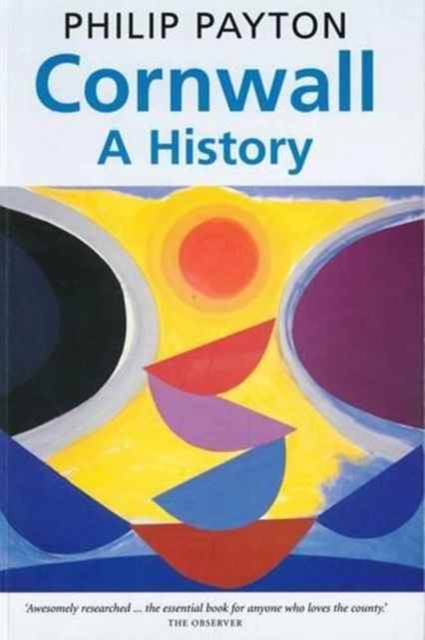
A new edition of Philip Payton's modern classic Cornwall: A History, published now by University of Exeter Press, telling the story of Cornwall from earliest times to the present day. Drawing upon a wide range of original and secondary sources, it begins with Cornwall's geology and prehistory, moving through Celtic times to the creation of the kingdom of Kernow and its relationship with neighbouring England. The political accommodation of medieval Cornwall by the expanding English state through the twin institutions of the Duchy and Stannaries is examined, as is the flowering in the middle ages of literature in the Cornish language. Resistance to English intrusion - in the rebellions of 1497 and 1549 and in the Civil War - is explored.So too is Cornwall's role in the subsequent expansion of Britain's global influence, and Cornwall as an early centre of the industrial revolution is also discussed. Mining and Methodism became twin strands of an assertive transnational identity which emigrant Cornish transplanted across the globe in the nineteenth-century. Thereafter, as the book shows, a vigorous Celtic revivalist movement championed the rebirth of the Cornish language and Cornwall's status as a Celtic nation. At the same time, tourism, with its emphasis on Cornish distinctiveness, moved in the twentieth century to fill the gap left by the decline of mining. The book concludes by examining the nature of twenty-first century Cornwall, contrasting an apparent heightening of Cornish consciousness with the increasing threats to Cornwall's environment and identity.
Specificaties
Betrokkenen
- Auteur(s):
- Uitgeverij:
Inhoud
- Aantal bladzijden:
- 394
- Taal:
- Engels
Eigenschappen
- Productcode (EAN):
- 9780859890274
- Verschijningsdatum:
- 31/12/2017
- Uitvoering:
- Paperback
- Formaat:
- Trade paperback (VS)
- Afmetingen:
- 150 mm x 226 mm
- Gewicht:
- 635 g



Alleen bij Standaard Boekhandel
+ 86 punten op je klantenkaart van Standaard Boekhandel

Beoordelingen
We publiceren alleen reviews die voldoen aan de voorwaarden voor reviews. Bekijk onze voorwaarden voor reviews.